
Best B2B Email Marketing Examples
Study 15 B2B emails that actually get opened, clicked, and converted. Covers welcome sequences, nurture drips, product updates, and newsletters with full analysis.
💡 Key Takeaway
Study 15 B2B emails that actually get opened, clicked, and converted. Covers welcome sequences, nurture drips, product updates, and newsletters with full analysis.
B2B email has a reputation problem. Most of it is terrible -- generic drip sequences, "just checking in" follow-ups, newsletters that exist because someone decided the company should have a newsletter. The signal-to-noise ratio in most B2B inboxes is appalling.
The best B2B emails are different: specific, useful, appropriately timed, and written by someone who understands exactly what the reader needs at that moment. Here are 15 real examples across different B2B email types, analyzed for what specifically makes them work.
Welcome & Onboarding Sequences
1. Notion -- The Philosophy-First Welcome
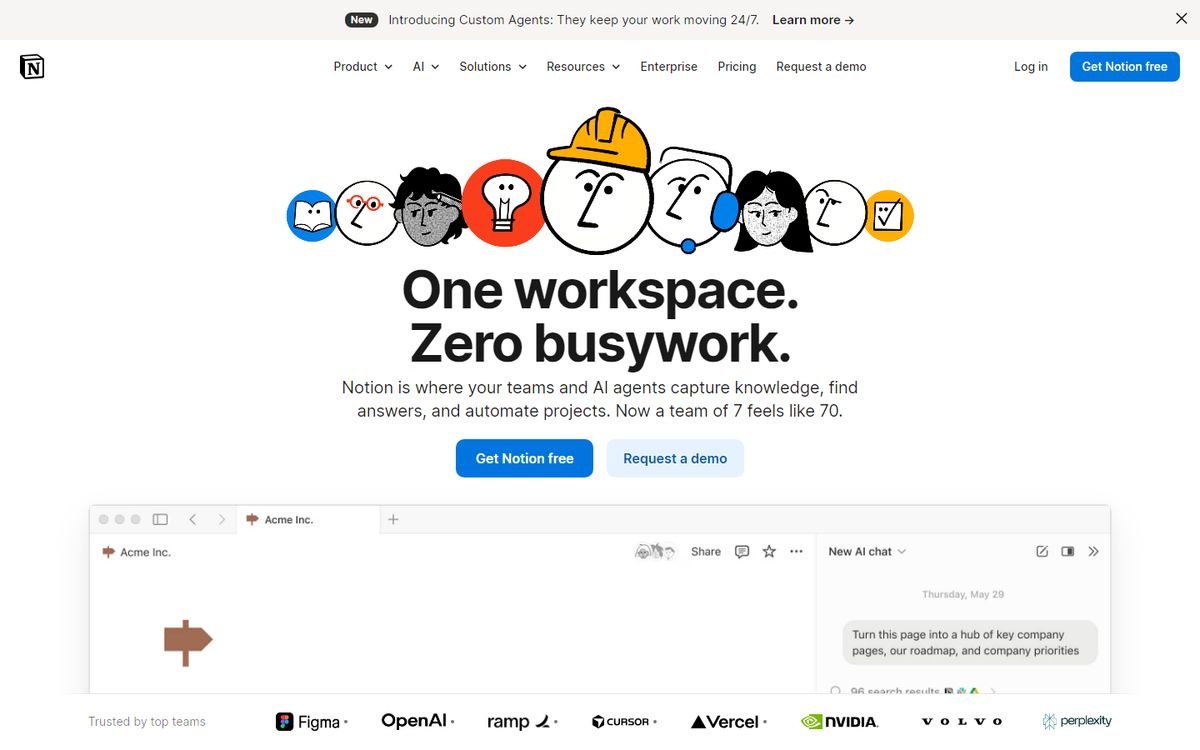
Notion's welcome email doesn't start with "here's what Notion can do." It starts with a question: "What would you like to use Notion for?" followed by three or four buttons (Personal notes, Team wiki, Project management, etc.).
Why it works: The segmentation question makes the welcome email feel like a conversation. Every click routes to tailored onboarding content. The subscriber feels understood before they've done anything -- a powerful first impression.
Structure:
- Subject: "Welcome to Notion -- where should we start?"
- Single segmentation question, 4 options
- Clean design, one action per email
- No feature dump
The lesson: Your welcome email is the highest-open-rate email you'll ever send. Use it to learn something about the subscriber, not to list features.
2. Intercom -- The Video Welcome
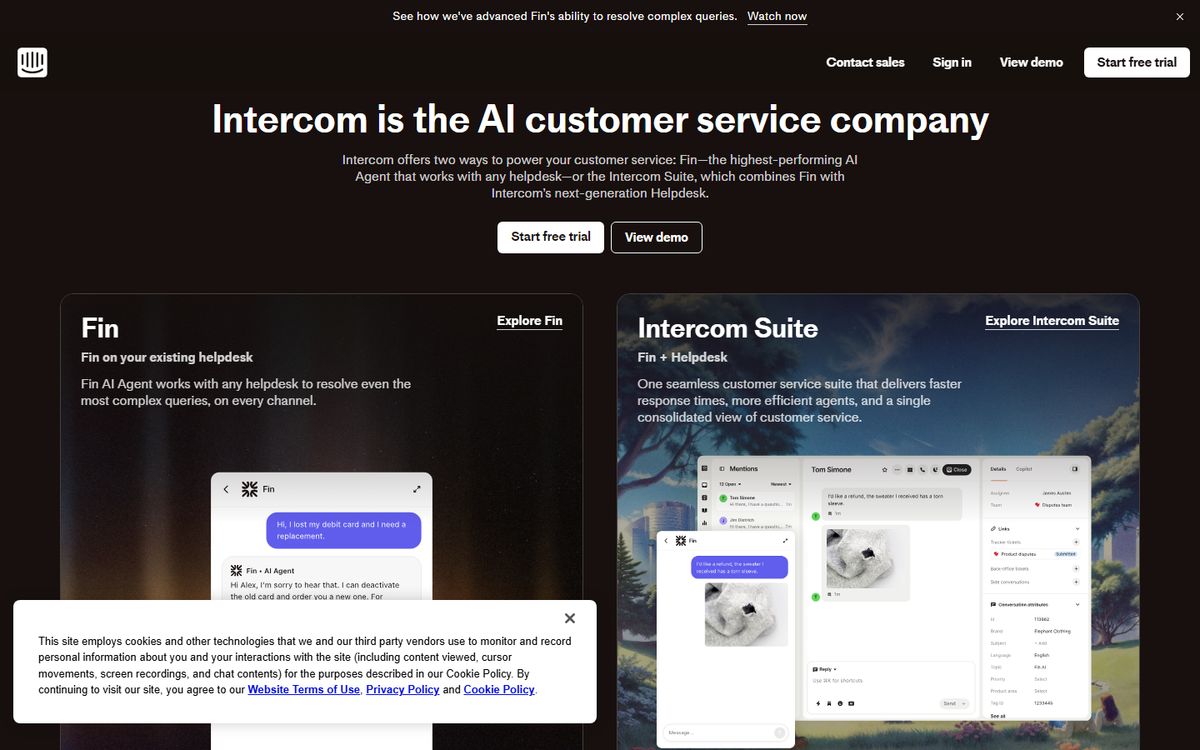
Intercom's welcome sequence includes a CEO-filmed video explaining the product vision. Not a polish studio shoot -- a direct-to-camera, slightly informal explanation of why Intercom exists and what the team believes.
Why it works: B2B decisions are made by humans. Seeing the founder or CEO speak directly creates a trust signal that no copywritten email can replicate. The informality signals authenticity.
Structure:
- Subject: "Meet the product" (with the CEO's name)
- Embedded thumbnail (video opens on click)
- One primary CTA beneath the video
- Short P.S. with a human touch
The lesson: For products where trust is critical to conversion, humanizing your welcome sequence can outperform feature-focused onboarding emails.
3. Drift -- The "One Thing" Welcome
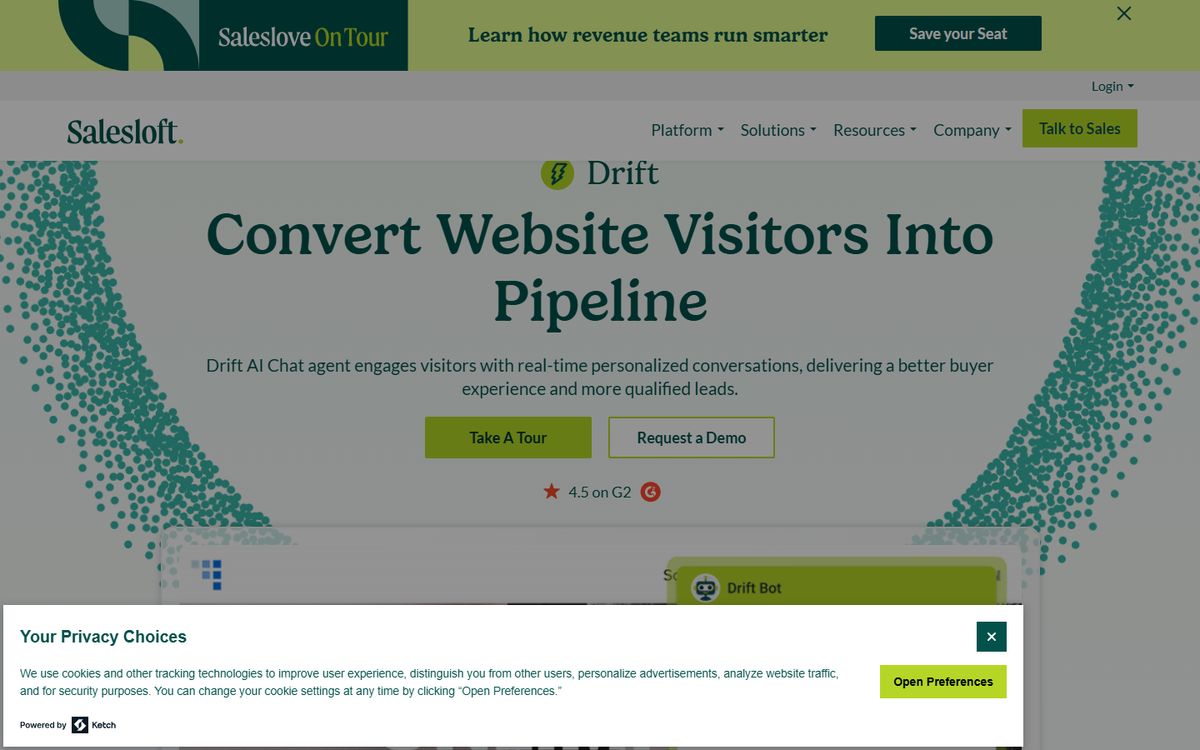
Drift's welcome email focuses on exactly one action. Not "here are 10 things you can do with Drift" -- one thing: install the Drift widget on your website. The entire email is about reducing friction to that single activation step.
Why it works: Activation (the moment a user experiences the core product value) is the single most important conversion in a free trial. Drift's welcome email is entirely focused on driving activation, not education.
Structure:
- Subject line with first name personalization
- One sentence of context ("Drift works when you install it on your site")
- One large CTA button: "Install Drift"
- Help link if they get stuck
The lesson: Welcome emails should optimize for one activation action, not try to do everything.
Newsletter Examples
4. The Hustle -- The Voice-Forward Newsletter
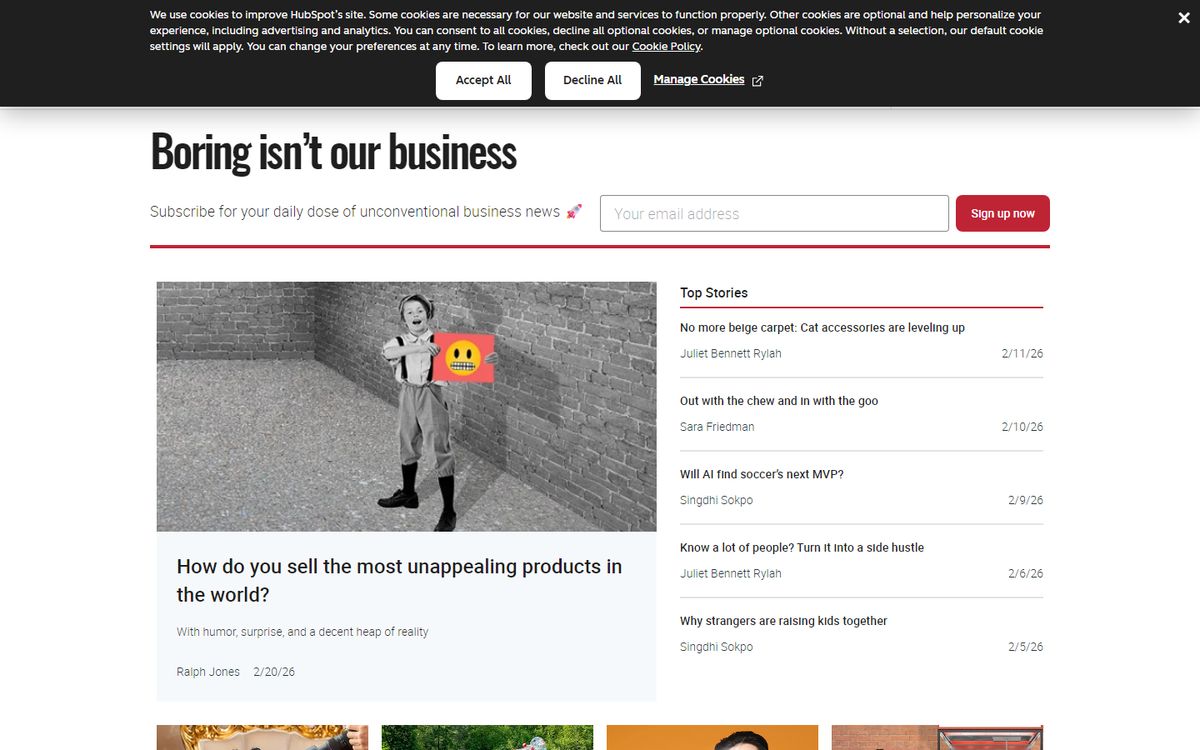
Before HubSpot acquired The Hustle, it was a standalone media property with a distinctive voice: irreverent, smart, slightly sarcastic, never boring. Their newsletter built a readership of 2M+ subscribers on personality alone.
Why it works: Most B2B newsletters sound like press releases. The Hustle sounds like a very smart friend who happens to read everything about business news. Voice differentiation is the primary growth driver for newsletters in crowded inboxes.
Structure:
- Subject: conversational, often funny, sometimes clickbait-adjacent
- 3-5 stories per email, each 2-3 short paragraphs
- Consistent voice throughout -- never corporate
- Single sponsor placement, transparent
The lesson: If your newsletter sounds like every other newsletter, it deserves to be skipped. A distinctive voice is the only sustainable differentiation.
5. Lenny's Newsletter -- The Expert-as-Brand Model
Lenny Rachitsky turned his experience as a product manager at Airbnb into one of the most successful B2B newsletters. His newsletter covers product management with enough specificity and insider knowledge that readers would pay for it -- and many do (he's built a paid subscriber base of 50,000+).
Why it works: "Expert writing" is not the same as "brand writing." Lenny's newsletter works because it's genuinely written by someone with deep experience sharing hard-won insights -- not a content team trying to sound like an expert.
Structure:
- Long-form deep dives (4,000-8,000 words)
- Specific frameworks with real examples from Airbnb and other top companies
- Reader Q&A sections that build community
- Paid tier for deep archives and templates
The lesson: The best B2B newsletters are built on genuine expertise, not content marketing. Find the person in your company with the most hard-won knowledge and build a newsletter around them.
6. First Round Review -- The Research-Depth Newsletter
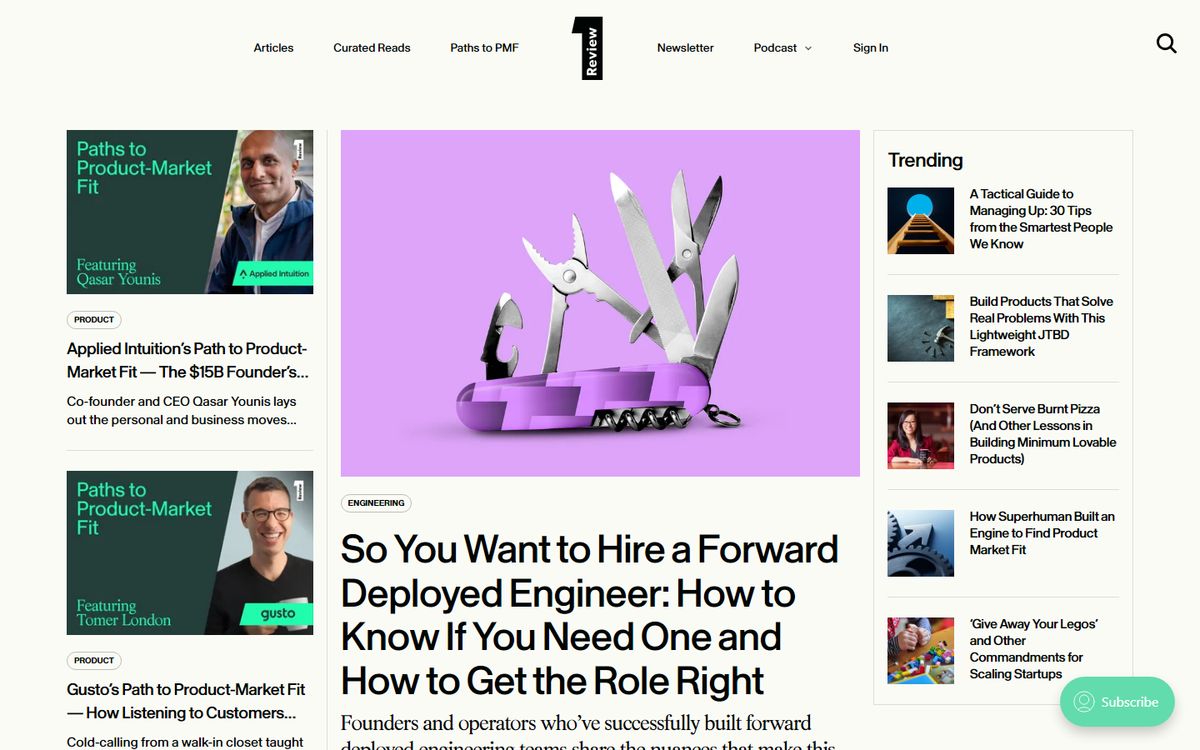
First Round Capital's newsletter (First Round Review) sets a quality standard that almost no company newsletter meets. Each issue is one very long, very deep piece of advice from a startup leader -- the equivalent of a feature magazine article, not a blog post.
Why it works: Depth creates commitment. Readers who invest time in a 6,000-word piece feel a stronger connection to the publisher than those who skim a roundup. For First Round, it builds long-term reputation in the startup community that pays dividends when founders are choosing a VC.
Structure:
- One story per issue (not a roundup)
- 3,000-6,000 words with pull quotes and headers
- Expert source is always named and credentialed
- No calls to action -- the newsletter is pure value
The lesson: The absence of a sales CTA can itself be a trust signal. Newsletters that exist purely to help readers build more goodwill than ones that try to convert every issue.
Averi automates this entire workflow
From strategy to drafting to publishing — stop doing it manually.
Lead Nurture & Sales Sequences
7. HubSpot -- The Behavior-Triggered Education Series
HubSpot's mid-funnel email sequences are behavior-triggered, not time-triggered. If you download their "How to Write a Marketing Plan" template, you receive a sequence specifically about marketing planning -- not a generic "learn HubSpot" drip.
Why it works: Relevance is the primary driver of email engagement. A behavior-triggered email sequence that speaks directly to the action you just took converts at 3-5x the rate of a generic drip sequence.
Structure:
- Trigger: asset download / page view / feature activation
- Email 1: thank you + immediate value (related resource)
- Email 2 (Day 2): education deepening the topic
- Email 3 (Day 4): case study or social proof related to the topic
- Email 4 (Day 7): product connection to the topic
- Email 5 (Day 14): "has this been helpful?" soft CTA
The lesson: Build your email sequences around specific behaviors, not arbitrary time intervals.
8. Gong -- The Data-First Cold Outreach
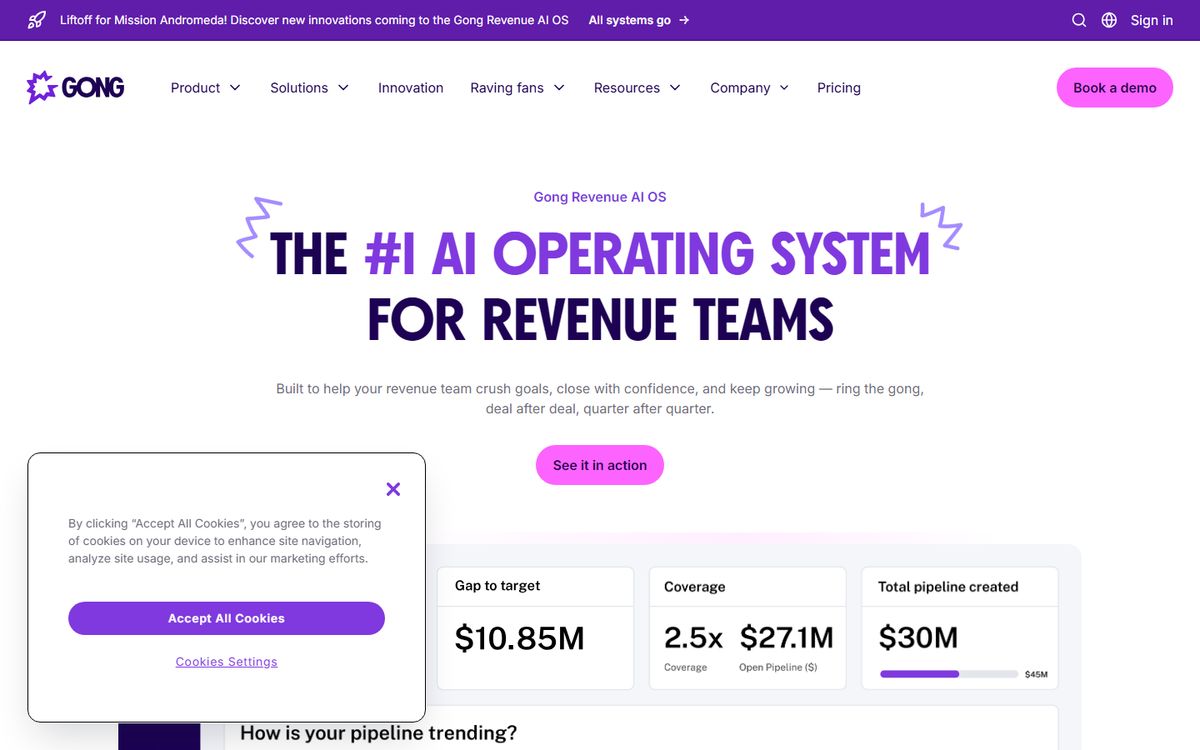
Gong's sales development team is famous for sending cold emails that reference specific, data-backed insights from Gong Labs. "We analyzed 2 million sales calls and found that reps who ask about budget in the first call close 30% less often than those who wait" -- followed by a mention of what Gong could do for their team.
Why it works: Cold emails that lead with a useful insight, not a product pitch, get responses. The insight demonstrates expertise, builds credibility, and creates reciprocity. The reader feels they got value before any ask was made.
Structure:
- Subject: data point as hook ("This one habit costs SDRs 23% of their quota")
- Opening: the data point, explained in 1-2 sentences
- Bridge: "We looked at 1,000 companies dealing with this" or similar
- CTA: soft -- "worth 15 minutes to discuss your team's situation?"
The lesson: Earn the right to pitch by delivering value first. Data-driven cold emails are dramatically more effective than feature-benefit pitches.
9. Zapier -- The Partner Integration Announcement
Zapier excels at a specific email type: announcing new integrations. When Zapier integrates with a new popular app, they send targeted emails to users of that app announcing the integration. "You use Salesforce. Zapier now connects Salesforce to 5,000+ other tools."
Why it works: Integration announcement emails are extraordinarily relevant -- they land in the inbox of exactly the person who would care about the new capability. Open rates for these emails often exceed 50%.
Structure:
- Subject: "[App] + Zapier: here's what you can do now"
- Integration use cases specifically for [App] users (3-5 Zap ideas)
- One primary CTA to try the integration
- Social proof from existing users if available
The lesson: Hyper-segmented emails (sent only to users who use a specific tool) dramatically outperform broad sends. Invest in segmentation.
Customer Success & Retention
10. Canva -- The Feature Discovery Email
Canva sends a regular "Did you know?" series to free users that surfaces product features they may not have discovered -- photo editing tools, brand kits, collaboration features. These aren't upsell emails; they're pure value delivery.
Why it works: Feature discovery emails reduce churn by increasing product stickiness. A user who knows about five features is much harder to churn than one who uses only one. The email increases engagement without asking for anything.
Structure:
- Subject: "Most Canva users don't know about this"
- One feature highlighted with GIF/screenshot
- 2-3 sentences of context (when would you use this?)
- CTA: "Try it in Canva" (direct deep link to feature)
The lesson: Feature discovery emails are a retention strategy disguised as educational content. Send them regularly and watch engagement metrics improve.
11. Linear -- The Changelog Newsletter
Linear sends a beautifully designed changelog email for every significant product update. These are some of the most well-read product emails in the developer tools space because they respect the reader's time: short, specific, visually clear.
Why it works: Most product changelog emails are boring walls of text. Linear's changelog emails use clean design, feature-specific GIFs, and minimal copy to communicate updates quickly. Developers read them because they're genuinely informative without being verbose.
Structure:
- Subject: "Linear 2.x -- [key new feature name]"
- Hero image/GIF showing the new feature
- 2-3 sentences per new feature
- Link to full changelog for more detail
- No upsell, no secondary CTA
The lesson: Product update emails are an engagement opportunity. Treat them as a product, not a communication obligation.
12. Stripe -- The Account Health Email
Stripe sends data-driven account health emails that show payment businesses how their volume, conversion rates, and dispute rates compare to industry benchmarks. "Your card decline rate is 12% -- industry median is 6%. Here's how to improve it."
Why it works: Personalized, data-driven insights create immediate value. The email tells a business owner something actionable about their own performance, not generic tips. It also reinforces Stripe's value proposition (they have the benchmark data because they process payments for millions of businesses).
Structure:
- Subject: "Your payment insights for [Month]"
- 3-4 metrics with benchmark comparisons
- For each underperforming metric: one specific improvement recommendation
- CTA: learn more in dashboard
The lesson: Personalized performance data is the most engaging email you can send to existing customers.
Re-Engagement
13. Grammarly -- The Progress Report
Grammarly's weekly "writing stats" email is famous in marketing circles as a re-engagement mechanism. It shows how many words you wrote, how your writing quality score changed, and how you compare to other Grammarly users. Inactive users open this email because it's about them.
Why it works: Progress reports create ego investment -- seeing your own data makes you want to improve it. The email turns passive users into active ones without any explicit ask.
Structure:
- Subject: "Your Grammarly weekly progress report"
- Personal stats dashboard (words written, accuracy, vocabulary)
- Comparison to other users
- One improvement tip
- Soft CTA to upgrade for more insights
The lesson: Make your re-engagement emails about the user, not your product. "Here's your progress" outperforms "Here's what you're missing" every time.
14. Slack -- The "Your Team is Using Slack" Nudge
Slack sends a specific re-engagement email to free workspace owners when team activity drops: "Your teammates sent 23 messages yesterday. Log in to see what you missed." This leverages FOMO -- not fear of missing out on features, but fear of missing out on actual team communication.
Why it works: Community-based re-engagement is more powerful than feature-based re-engagement. Telling someone their team is active creates urgency that "here's what's new" never can.
Structure:
- Subject: "[X] people are waiting for you in Slack"
- Specific activity metric from their workspace
- Names of teammates who were active (if under 10)
- Single CTA: "Open Slack"
The lesson: For collaborative tools, re-engagement emails should leverage team activity, not product features.
15. Mailchimp -- The Win-Back With Humor
Mailchimp's inactive user win-back email series is notable for its voice. Rather than a panicked "we've missed you!" or a discount plea, Mailchimp's win-back emails use the same irreverent, personality-driven voice as their main brand -- even when saying goodbye.
"We're cleaning our list and you're on it. We'd love to keep you. But if you're not interested, no hard feelings -- we'll still be friends." The casualness is disarming and improves the re-subscribe rate.
Why it works: In a category of desperate win-back emails, a calm, confident tone stands out. Mailchimp treats subscribers as intelligent adults who have agency -- which earns more respect than begging.
Structure:
- Subject: "Should we break up?" or similar casual framing
- 2-3 sentences, conversational
- Two CTAs: "Yes, keep me subscribed" and "No, it's over"
- Confirmation that unsubscribers are respected
The lesson: Your brand voice should remain consistent even in win-back and sunset emails. Desperation is unattractive. Confidence earns re-subscriptions.
Build your content engine with Averi
AI-powered strategy, drafting, and publishing in one workflow.
The Five Principles Behind All Great B2B Emails
Looking across these 15 examples, five consistent principles emerge:
1. Relevance outperforms everything else. A perfectly timed, perfectly targeted email with mediocre copy will outperform a beautifully written generic email. Invest in segmentation before copywriting.
2. The best emails deliver value before asking for anything. Data insights, useful tips, feature discoveries -- the emails people look forward to are the ones that help them without demanding anything in return.
3. Specificity builds trust. "43% of sales calls end without a next step scheduled" builds more credibility than "most sales calls don't go well." Specific numbers signal real research.
4. Voice differentiation is the only sustainable newsletter strategy. In an inbox with 100 newsletters, the ones that survive are the ones that sound like no one else.
5. Subject lines determine everything. The best-written email in the world doesn't matter if no one opens it. Subject line testing should be a permanent fixture in every B2B email program.
Further Reading
Frequently Asked Questions
What's a good open rate for B2B email?
B2B email open rates vary significantly by list quality, industry, and segment. For newsletters to engaged subscribers, 40-60% is excellent. For cold outbound, 20-30% open rate is strong. For transactional/trigger emails, 50-80% is achievable. The most important benchmark is your own trend -- are your rates improving over time?
How often should a B2B company send email?
Frequency depends on the value you're delivering. A genuinely useful daily newsletter can achieve high engagement. A boring weekly newsletter will see declining open rates. The right frequency is the one where you're confident every send is worth the reader's time.
Is cold email dead?
No. Good cold email -- personalized, insight-led, brief, and targeted -- still converts. What's dead is the spray-and-pray approach: generic templates sent to purchased lists. The bar for cold email has risen, which means the gap between good cold email and bad cold email has never been wider.
How do you reduce email unsubscribe rates?
Three things: match frequency expectations (tell people how often you'll email them at signup), deliver value in every email (not every email can be a pitch), and make every email relevant to the recipient's situation (invest in segmentation). Unsubscribes are almost always a signal that you broke one of these.
Should B2B companies use plain text or HTML emails?
Both work -- test for your audience. For SaaS product emails (onboarding, feature announcements), HTML with design tends to outperform. For founder-sent newsletters and cold email, plain text reads as more authentic and personal, often achieving better engagement. The choice should match the relationship you're trying to create.
Explore More
- 📋 Template: Backlink Outreach Email Templates
- 📋 Template: Cold Outreach Email Templates
- 📖 Guide: How to Write Email Sequences That Convert
- 📖 Definition: What Is Email Marketing?
Related from our blog
How to Build an AI Content Engine That Grows Your Startup →
Build a system that turns strategy into published content.
The 2026 Startup Content Playbook →
Budget-specific content strategies for every stage.
Content Marketing ROI: Real Numbers from Real Founders →
Actual ROI data from startups investing in content.
From the Averi Blog
Start Your AI Content Engine
Ready to put this into practice? Averi automates the hard parts of content marketing — so you can focus on strategy. Join 1,000+ teams already using Averi.
Related Resources

Email Marketing Campaign Templates
Launch email campaigns faster with these 10 proven templates. Covers welcome sequences, nurture drips, product updates, newsletters, and re-engagement campaigns.

Welcome Email Sequence Template (5-Part)
Onboard new subscribers with this 5-email welcome sequence. Includes subject lines, send timing, segmentation triggers, and conversion-optimized copy frameworks.

Newsletter Template for Startups
Launch a newsletter your audience actually reads. This template covers section structure, subject line formulas, send frequency, and growth tactics.
![B2B Email Newsletter Benchmarks [2026 Data]](https://images.pexels.com/photos/1591062/pexels-photo-1591062.jpeg?auto=compress&cs=tinysrgb&w=800)
B2B Email Newsletter Benchmarks [2026 Data]
Open rates, click-through rates, unsubscribe rates, and list growth benchmarks for B2B email newsletters. Know where you stand vs industry averages.

Best SaaS Blog Post Examples (With Analysis)
Study 15 exceptional SaaS blog posts and learn what makes them rank, convert, and engage. Includes structure analysis, SEO breakdown, and takeaways you can steal.

Best Startup Landing Page Examples (With Breakdown)
Study 12 high-converting startup landing pages. Full breakdown of headlines, value props, social proof, CTAs, and design patterns that drive signups.