
Best B2B Newsletter Examples
Study 12 B2B newsletters that built loyal audiences and drove business results. Covers format, voice, growth tactics, and monetization strategies.
💡 Key Takeaway
Study 12 B2B newsletters that built loyal audiences and drove business results. Covers format, voice, growth tactics, and monetization strategies.
The B2B newsletter renaissance is real. After a decade of email being dismissed as "dead," newsletters have emerged as one of the highest-ROI channels for building audience, authority, and pipeline. The reason: while every other channel has become noisier and more expensive, a subscriber list is owned, opt-in, and increasingly engaged relative to social media.
But newsletter quality varies enormously. Most corporate newsletters are boring. A few are genuinely indispensable. Here are 12 real B2B newsletter examples across formats and industries, analyzed for what separates the must-reads from the mass-unreads.
1. The Morning Brew
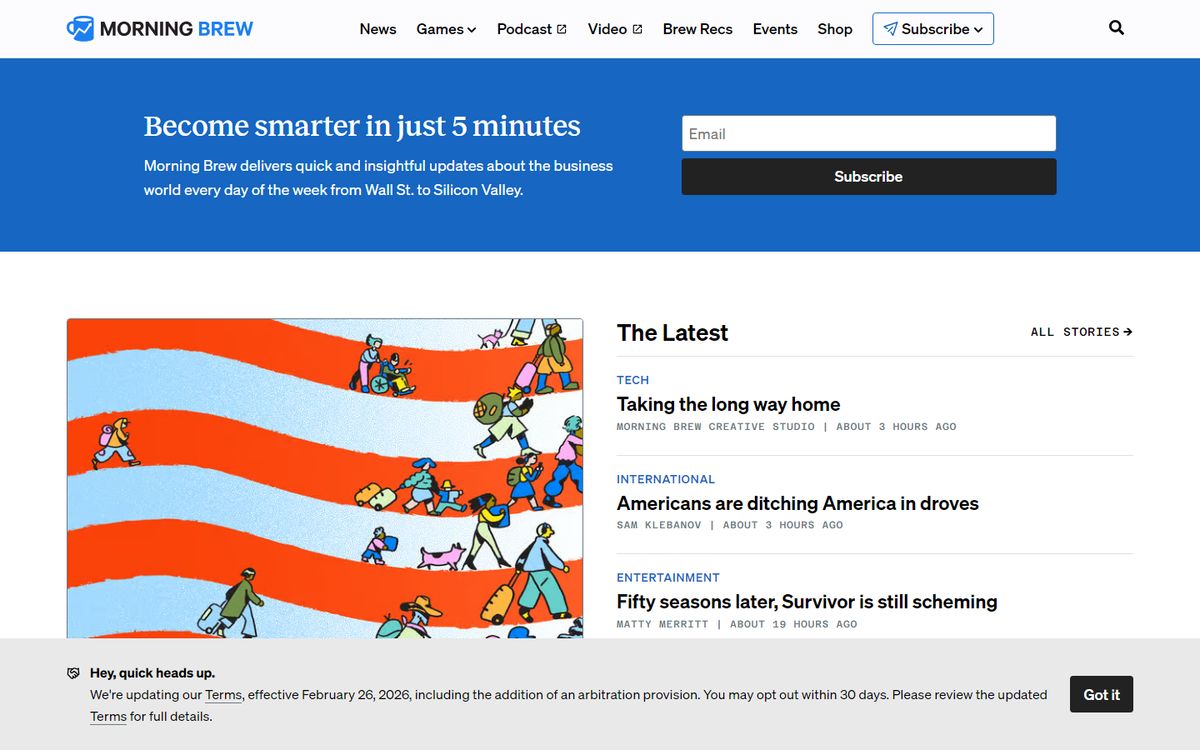
Publisher: Morning Brew (now acquired by Business Insider)
Subscribers: 4M+ at peak
Format: Daily, ~5-8 minute read
Morning Brew's innovation was applying the voice of a smart, slightly irreverent friend to business news. Before Morning Brew, business newsletters sounded like WSJ headlines in email form. Morning Brew sounded like a colleague at a startup summarizing the day's news at lunch.
What makes it work:
- Consistent voice: Every issue sounds like the same person wrote it, even with a large editorial team. The voice is the product.
- Newsletter-native format: Designed for email from the start -- short sections, minimal images, mobile-optimized layout. Doesn't try to be a blog.
- The "TLDR" at the start: A 3-bullet summary of the day's most important stories respects readers who are skimming. Many readers read only the TLDR and remain loyal subscribers because even that provides value.
Monetization: Sponsored placements integrated naturally into the editorial flow rather than separated into obvious ad slots. Sponsorship click-through rates are significantly higher when they're formatted like content.
2. Lenny's Newsletter
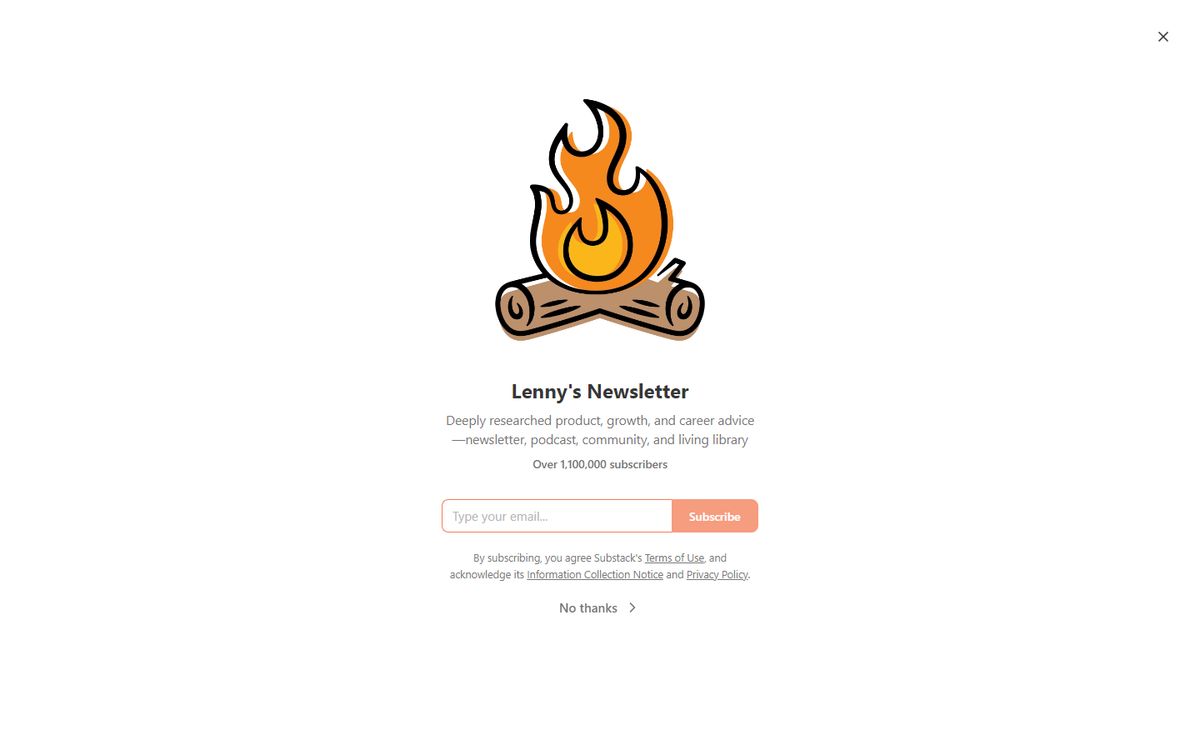
Publisher: Lenny Rachitsky (independent)
Subscribers: 550,000+ (paid + free)
Format: Weekly, 3,000-8,000 words
Lenny's Newsletter is the benchmark for expert-driven B2B newsletters. Rachitsky was a PM at Airbnb; his newsletter covers product management with the specificity and depth of someone who has actually done the job at a high level.
What makes it work:
- Expertise as the differentiator: Lenny doesn't write about product management -- he writes from having been a PM at Airbnb during hypergrowth. The source material is personal experience, not research.
- Reader Q&A: Every issue includes reader questions with detailed, thoughtful answers. This creates community and ensures content remains relevant to what practitioners are actually dealing with.
- Paid tier with real value: The paid tier ($15/month or $150/year) provides access to templates, job boards, and archives. The free tier is so valuable that conversion to paid is driven by gratitude rather than FOMO.
The lesson: Niche expertise builds niche authority. Lenny could have written for all marketers -- instead he focused on PMs and became indispensable to that community.
Averi automates this entire workflow
From strategy to drafting to publishing — stop doing it manually.
3. The Hustle
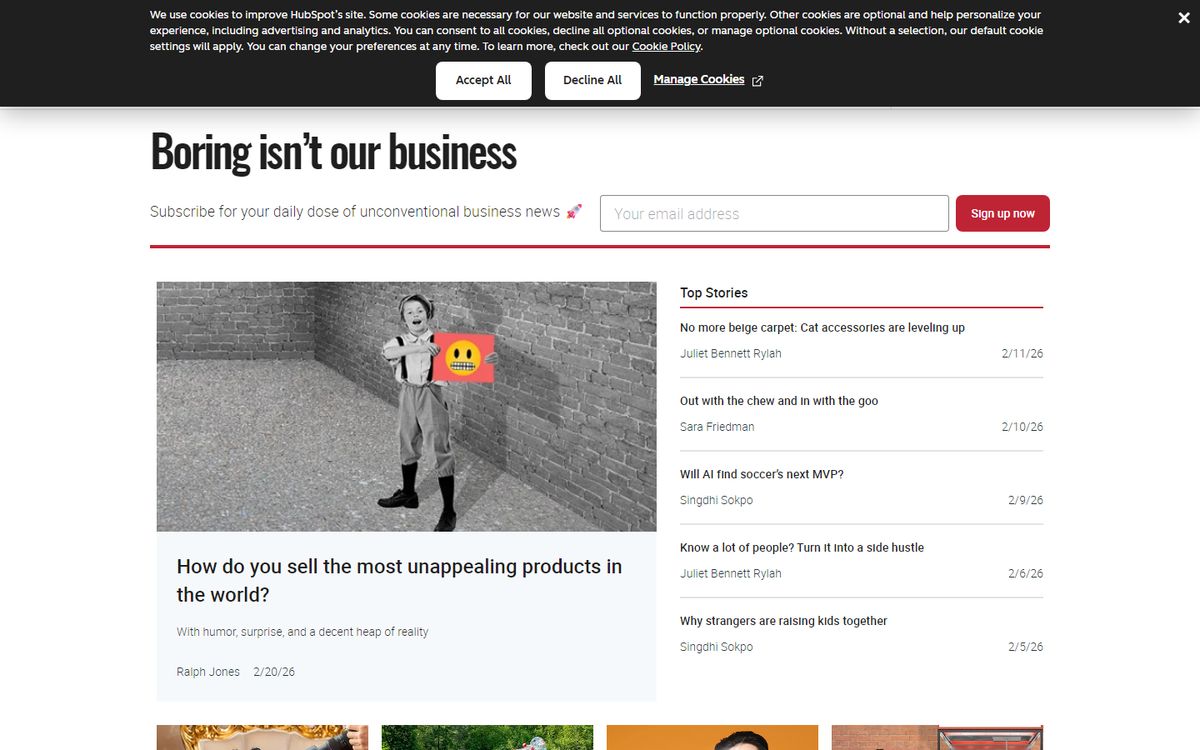
Publisher: Sam Parr (acquired by HubSpot)
Format: Daily, 3-4 minute read
Before acquisition, The Hustle was one of the fastest-growing business newsletters by building a distinctive, slightly irreverent personality in a category (business news) that skewed stuffy.
What makes it work:
- Personality-first content: Every story in The Hustle has a distinct voice -- curious, slightly edgy, always accessible. Business news presented in a way that doesn't require an MBA to appreciate.
- The "Water Cooler" section: Consistently the most-shared part of the newsletter -- three surprising, weird, or interesting facts that don't fit the main stories but are perfect for sharing with colleagues.
- Referral program: The Hustle's subscriber referral program (readers share a custom link, earn rewards for referrals) was a significant growth driver. Turning readers into growth channels is a playbook worth copying.
Monetization: Sponsorships + Trends (a paid research product) + conference revenue.
4. First Round Review
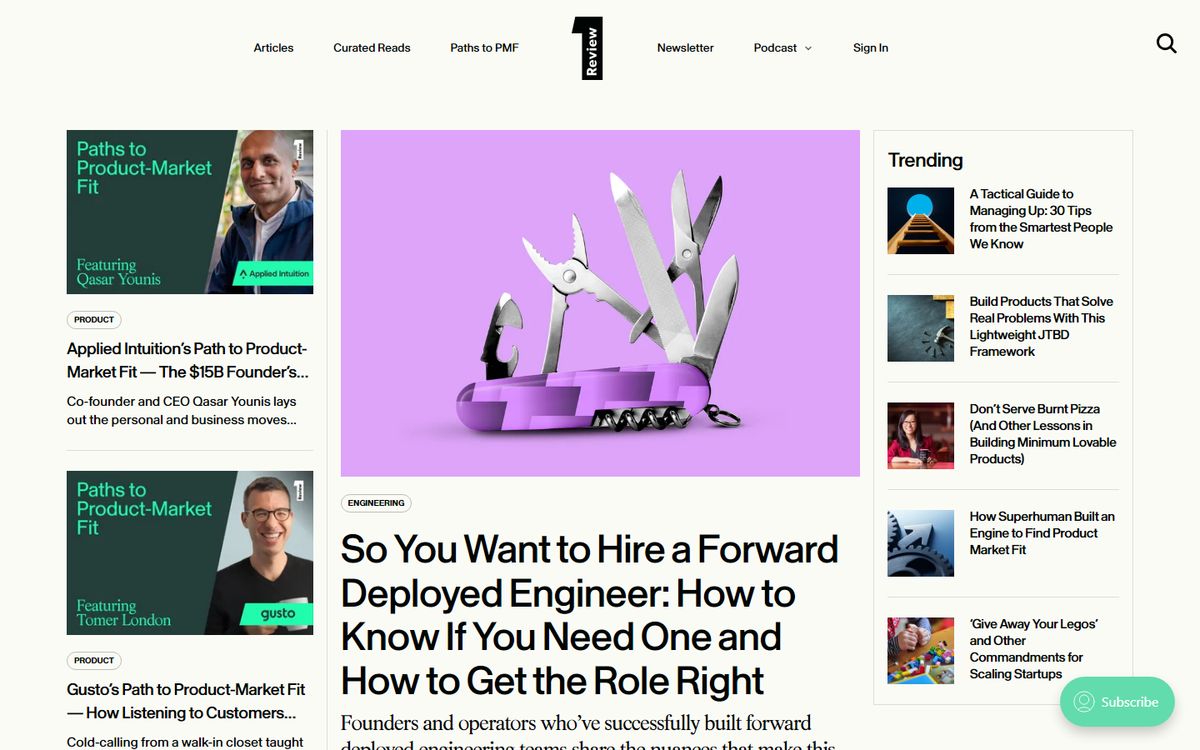
Publisher: First Round Capital
Subscribers: 100,000+ estimated
Format: Weekly, one long-form piece
First Round Review is what happens when a VC firm decides to treat their newsletter as a serious editorial product rather than a marketing vehicle. Each issue is one deeply reported piece -- 3,000-6,000 words of specific, practical advice from startup leaders.
What makes it work:
- One story, maximum depth: Rather than roundups or link aggregation, each issue goes deep on one topic. This format rewards readers who give it their full attention.
- Primary source journalism: Every piece features executives and founders sharing specific experiences. The level of operational detail (naming specific numbers, frameworks, decisions) is rare in business content.
- No overt marketing: First Round Review rarely mentions First Round's portfolio or investment process. The newsletter exists to build trust and authority in the startup community -- the ROI is long-term and relationship-based.
The lesson: Removing overt marketing from a newsletter can make it more effective as marketing. Trust is built through service, not promotion.
5. TLDR Newsletter
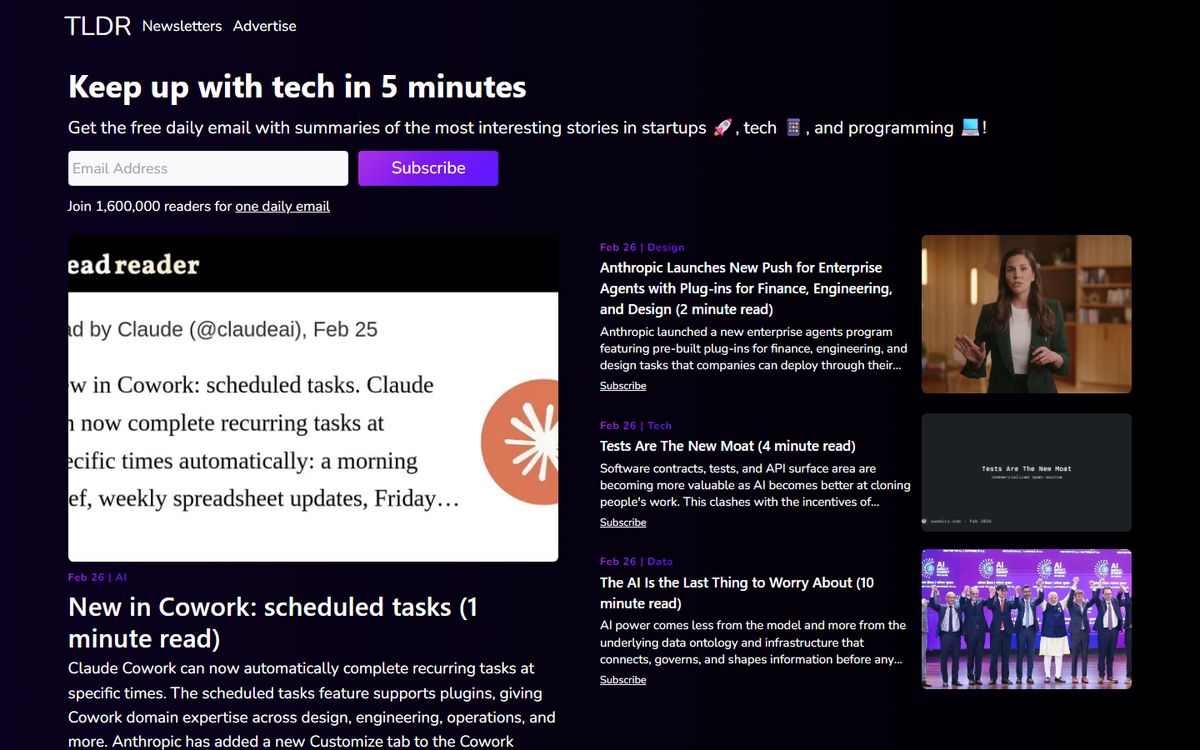
Publisher: Dan Ni and others (independent)
Subscribers: 1M+ (across editions)
Format: Daily, 5 minute read
TLDR is a developer/tech newsletter that has expanded into a suite of newsletters for different tech subgroups (TLDR AI, TLDR DevOps, TLDR Design). The model is aggregation + curation -- finding the best tech news and linking to it with minimal editorial commentary.
What makes it work:
- Curation as the product: TLDR reads every tech publication so its readers don't have to. The value is signal extraction -- the 10 links worth reading from the 500 published that day.
- Short editorial commentary: Each linked item has 1-3 sentences of context. This makes the newsletter scannable and respects the reader's time.
- Audience segmentation: Rather than one newsletter trying to serve all tech audiences, TLDR creates separate editions for specific subgroups. Developers get TLDR; AI practitioners get TLDR AI; the segmentation makes each edition more relevant.
The lesson: Curation newsletters work when the curators are genuinely good at finding signal in noise. The quality of selection is the quality of the product.
Build your content engine with Averi
AI-powered strategy, drafting, and publishing in one workflow.
6. Reforge's Product Newsletters
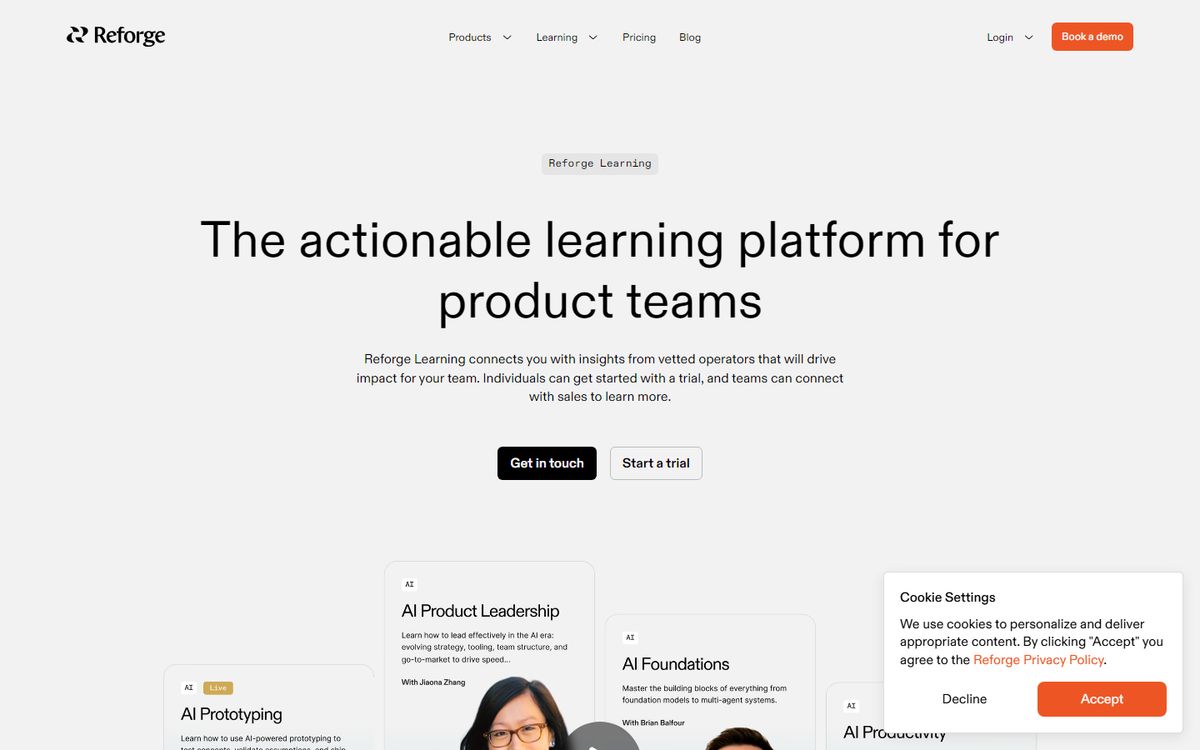
Publisher: Reforge
Format: Periodic (not weekly)
Audience: Senior product and growth practitioners
Reforge's newsletter works differently from most -- it's low-frequency but extremely high-quality, with each issue tied to a Reforge course, framework, or research piece. The newsletter is an entry point into an ecosystem that includes paid courses ($2,000+) and a community.
What makes it work:
- Exclusive insight distribution: Reforge shares frameworks and research that are available in full only to course members. The newsletter gives readers enough to understand what they're missing, creating pull toward the paid product.
- Audience self-selection: Reforge's content is deliberately sophisticated -- it's written for senior PMs and growth leaders, not beginners. This self-selects for the audience that values Reforge's courses and community.
- Product-newsletter flywheel: Newsletter drives course signups -- course alumni create frameworks and case studies -- frameworks become newsletter content -- newsletter drives new course signups.
7. Product Led Alliance Newsletter
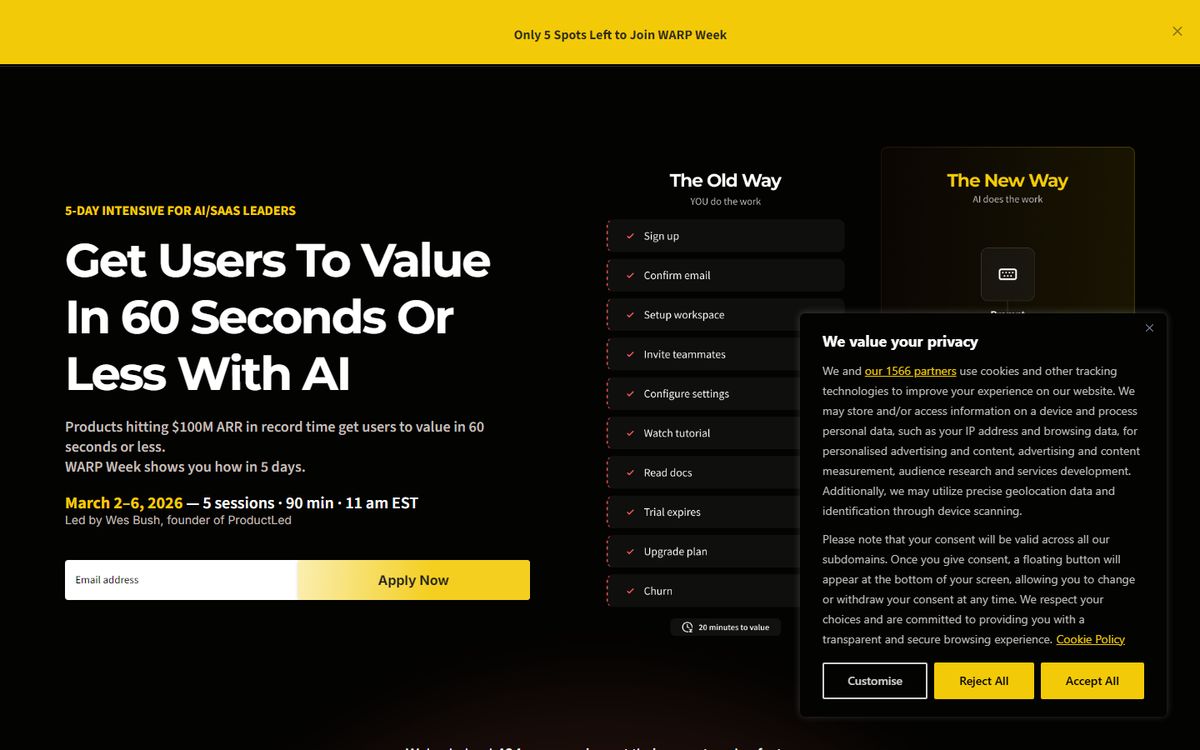
Publisher: Product Led Alliance
Format: Weekly
Audience: Product-led growth practitioners
PLG (product-led growth) became a major trend in SaaS around 2019-2022, and Product Led Alliance built a newsletter community around it at the right time.
What makes it work:
- Trend ownership: Building a newsletter around an emerging trend before it peaks gives you first-mover advantage as the audience grows. PLG newsletter launched when PLG was a hot topic among growth leaders, not when it had become mainstream.
- Community-integrated content: The newsletter drives readers to a Slack community where they discuss the week's topics. Community and newsletter reinforce each other.
- Practitioner contributions: Members submit case studies, frameworks, and tool reviews. User-generated content makes the newsletter more representative of what's actually happening in the industry.
8. CB Insights Newsletter
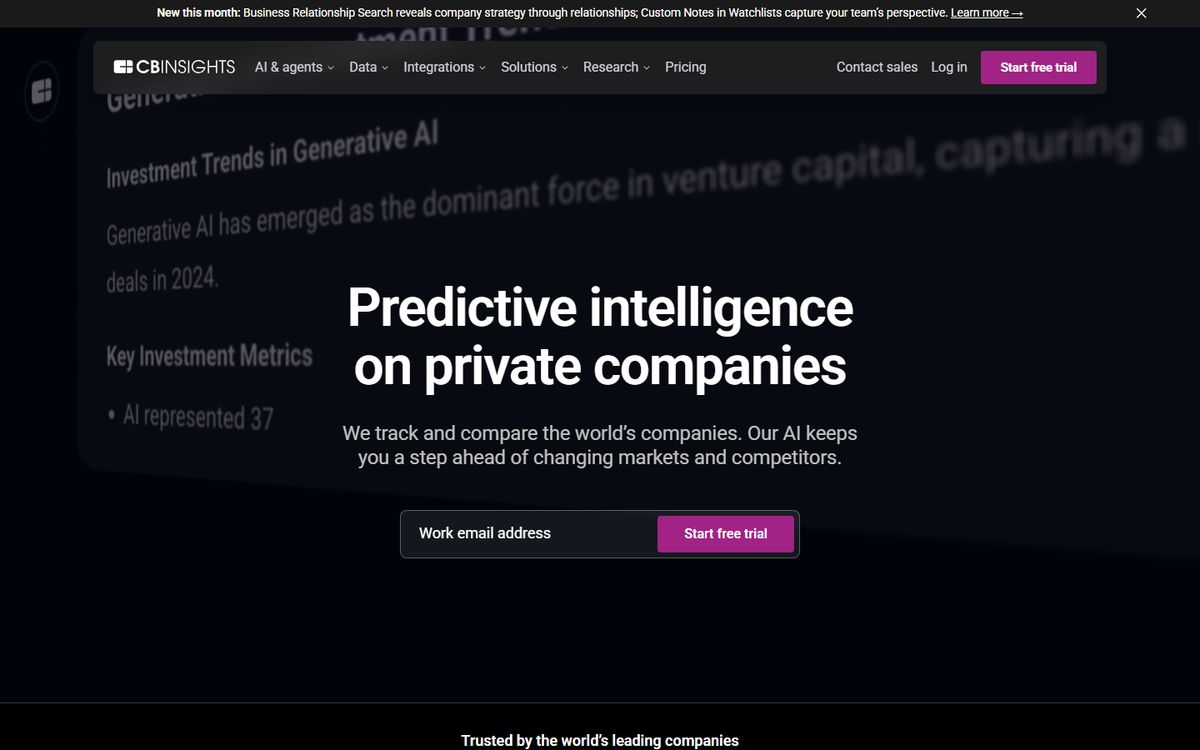
Publisher: CB Insights
Subscribers: 1M+ estimated
Format: Daily
CB Insights' newsletter is business intelligence meets editorial voice. They cover startup funding, VC trends, and tech market analysis with data from their own research platform -- and they do it with a wry, slightly sardonic edge that makes financial data entertaining.
What makes it work:
- Proprietary data as content: CB Insights has access to funding data, market maps, and industry analysis that competitors can't replicate. Their newsletter is differentiated by what they know, not just how they write.
- Visual research: The CB Insights newsletter frequently includes charts, market maps, and "infographics" that are widely shared on LinkedIn and Twitter. Visual content in newsletters spreads further than text.
- The Analyst Report tease: Each newsletter teases content from CB Insights' paid research reports, driving free subscribers to evaluate a paid subscription.
Ready to put this into practice?
Averi turns these strategies into an automated content workflow.
9. SaaStr Weekly
Publisher: Jason Lemkin / SaaStr
Format: Weekly
Audience: SaaS founders and executives
SaaStr's newsletter serves the SaaStr community -- an enormous global network of SaaS founders and operators. The newsletter is the distribution arm for SaaStr's content (blog posts, podcast, conference content) while also being a standalone product.
What makes it work:
- Founder-credibility voice: Jason Lemkin's voice (direct, opinionated, experienced) drives the newsletter's authority. The newsletter carries the credibility of someone who built and sold a SaaS company and has since worked with hundreds more.
- Direct answers to founder questions: The best SaaStr newsletter issues answer specific questions founders are wrestling with: "When should you hire your first VP Sales?" "What ARR do you need before Series A?" The specificity makes the content feel personally relevant.
- Community content recycling: SaaStr's newsletter amplifies community-generated content (Quora answers from SaaStr, podcast clips, Twitter threads) which keeps the content machine efficient.
10. Dense Discovery
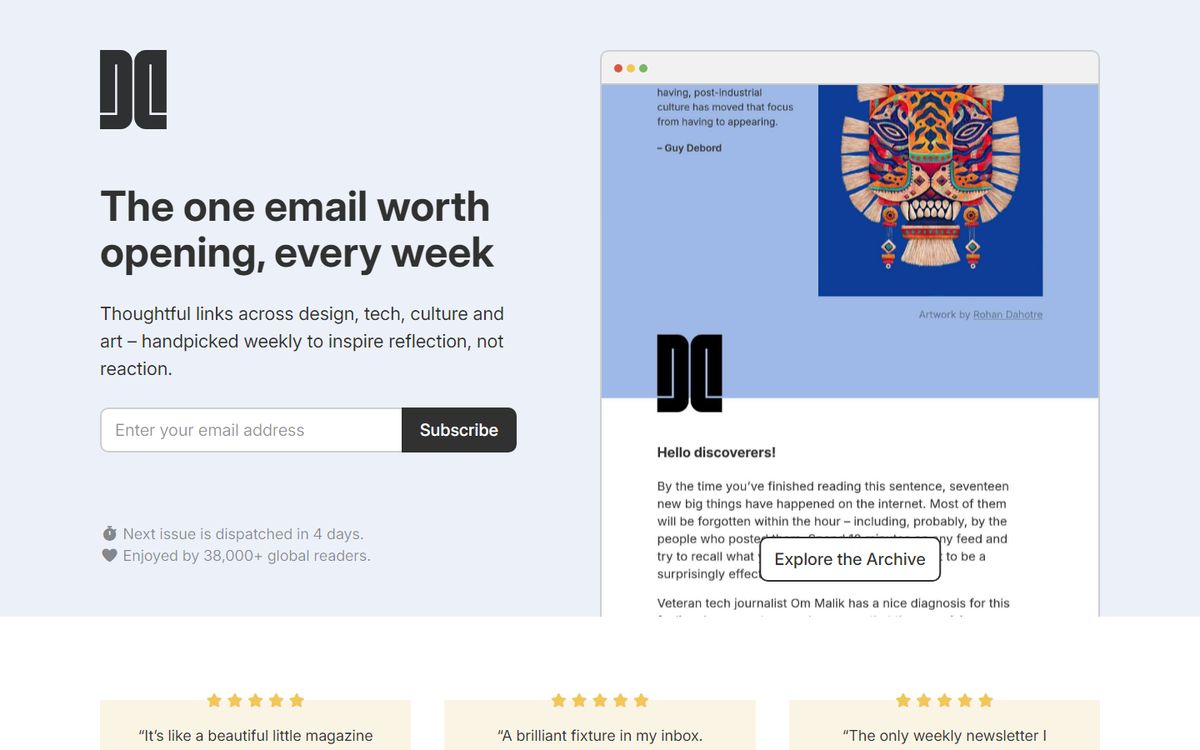
Publisher: Kai Brach
Subscribers: 30,000+
Format: Weekly
Dense Discovery is a curated newsletter for designers and creative professionals that has maintained a deeply loyal, small readership by refusing to grow beyond its niche. It's a model for high-quality, low-volume newsletter building.
What makes it work:
- Editorial restraint: Dense Discovery doesn't include everything -- it includes the specific things its curator finds genuinely valuable. This editorial discipline makes every issue feel hand-selected, not aggregated.
- Design as trust signal: Dense Discovery is beautifully designed for an email newsletter. The visual quality signals that the editorial quality is equally high.
- Sponsor fit: Dense Discovery only accepts sponsors that are genuinely relevant to its creative professional audience and personally vetted by the curator. This keeps the newsletter's trust intact.
The lesson: Small, loyal, high-trust newsletters are often more valuable (per subscriber) than large, disengaged ones. Growth for growth's sake can erode the qualities that made the newsletter valuable.
11. The Pour Over
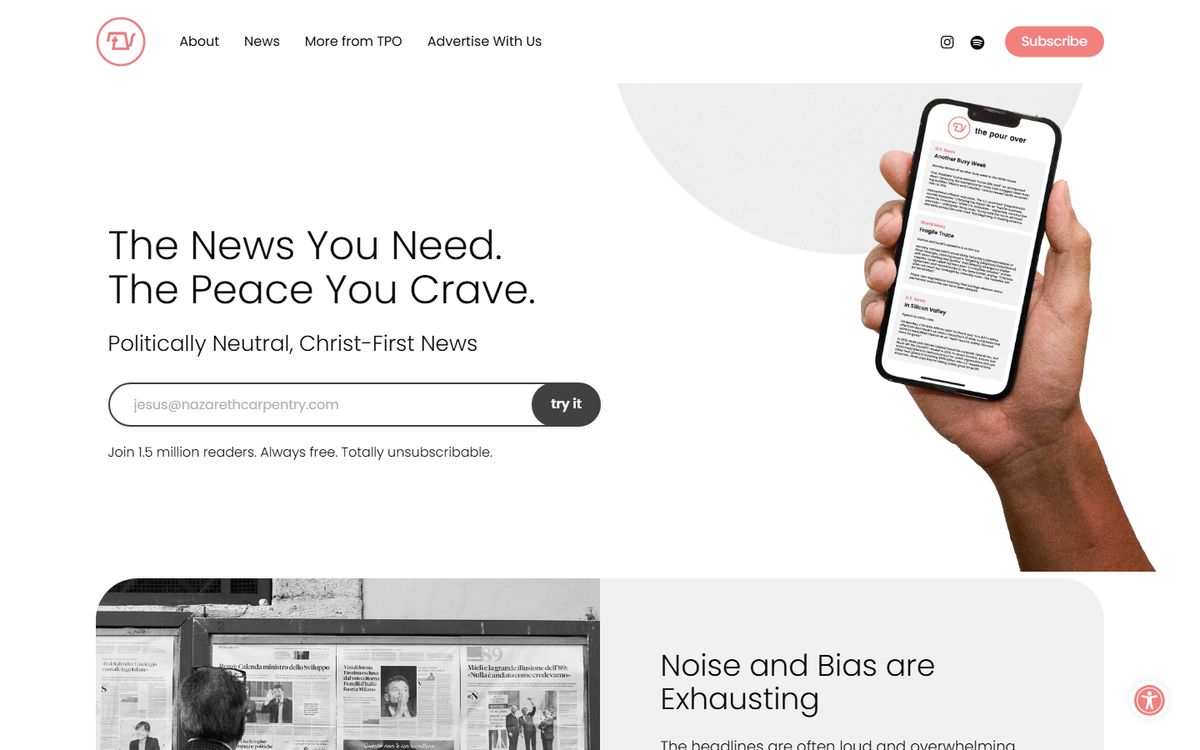
Publisher: The Pour Over
Format: Daily
Audience: Values-aligned readers
The Pour Over is a Christian news newsletter that specifically avoids partisan framing -- covering the same news as mainstream publications but from a faith perspective with an attempt at genuine fairness to multiple viewpoints. It's a niche identity newsletter that has found significant growth.
Why it's relevant to B2B: Identity-aligned newsletters (newsletters that serve readers based on shared values or identity, not just shared profession) can build extraordinary loyalty. The equivalent in B2B would be newsletters for founders from underrepresented backgrounds, newsletters for sustainable business practitioners, or newsletters for companies at specific stages.
The lesson: Shared identity creates deeper loyalty than shared professional interest. Building for a community with shared values creates stronger newsletter bonds.
12. Packy McCormick's Not Boring
Publisher: Packy McCormick
Subscribers: 200,000+ estimated
Format: 2x per week
Not Boring covers startups, venture capital, and the "internet economy" with a style that blends long-form analysis with personality-forward narrative. McCormick has a distinctive voice -- enthusiastic, deeply researched, willing to be wrong -- that has built a devoted audience.
What makes it work:
- Analysis, not just reporting: Not Boring doesn't report what happened -- it analyzes what it means and why it matters. This editorial value-add is the justification for reading when the news itself is available for free elsewhere.
- Public investment thesis sharing: McCormick made his investment thesis public and invested in companies he wrote about, creating accountability and building reader trust through skin-in-the-game transparency.
- Long-form in a short-form world: Not Boring issues are often 4,000-8,000 words. This length signals commitment and creates the kind of deep engagement that builds loyal readership.
What Separates Great B2B Newsletters from Mediocre Ones
The newsletters on this list share five qualities that most corporate newsletters lack:
1. A specific audience, not "everyone": Lenny writes for PMs. TLDR writes for developers. Dense Discovery writes for designers. Specificity creates relevance; relevance creates loyalty.
2. A consistent, distinctive voice: Read any single issue of these newsletters without seeing the header and you could identify the publisher. Voice is a brand asset.
3. Genuine curatorial or creative effort: The content isn't just repurposed blog posts or link aggregation without selection rigor. Someone made real choices about what to include and what to leave out.
4. Respect for the reader's time and intelligence: The best newsletters don't waste words, don't explain obvious things, and trust readers to handle complexity.
5. A publishing schedule kept without exception: Lenny's Newsletter comes every week. The Morning Brew comes every morning. Reliability is what transforms a publication into a habit.
Further Reading
Frequently Asked Questions
How do you grow a B2B newsletter from zero?
Start with your existing network. Publish the first 3-5 issues to people who already know and trust you, then ask them to share with relevant peers. Participate actively in communities where your target audience spends time (LinkedIn groups, Slack communities, Twitter/X). Partner with adjacent newsletters for cross-promotion. Consider a referral program (SparkLoop or ConvertKit's built-in referral tools) once you have 500+ subscribers.
What's a realistic open rate target for a B2B newsletter?
For a newsletter with an engaged, opt-in subscriber base: 35-50%. For newsletters sending to broader, less targeted lists: 20-30%. Note that Apple Mail Privacy Protection (introduced in 2021) inflates open rate reporting significantly -- many "opens" are bot-triggered. Click rate (typically 2-6% for engaged newsletters) is a more reliable engagement metric.
How long should a B2B newsletter be?
There's no universal answer. Morning Brew and TLDR thrive at 5-minute reads. Lenny's Newsletter and First Round Review thrive at 30+ minute reads. The right length is what your audience's engagement metrics tell you. Test both formats with your list and let the data decide.
Should you have a paid tier?
Only if you have content valuable enough that readers will pay for it. Paid tiers work when you have proprietary data, exclusive analysis, community access, or templates and tools that create real value. Don't launch a paid tier until your free newsletter is achieving strong engagement (40%+ open rates, low churn) -- that engagement signal validates that readers value what you're creating.
How often should you send?
Start with weekly. It's frequent enough to build habit without requiring daily content production. If engagement remains strong at weekly, experiment with 2x per week. Daily newsletters require either a large editorial team or extremely efficient content production -- don't start there unless you have a clear model for how to sustain the output.
Explore More
- 📋 Template: Newsletter Template for Startups
- 📖 Guide: How to Start a Newsletter That Grows
- 📖 Definition: What Is Content Marketing?
- 📖 Definition: What Is Content Strategy?
Related from our blog
How to Build an AI Content Engine That Grows Your Startup →
Build a system that turns strategy into published content.
The 2026 Startup Content Playbook →
Budget-specific content strategies for every stage.
Content Marketing ROI: Real Numbers from Real Founders →
Actual ROI data from startups investing in content.
From the Averi Blog
Start Your AI Content Engine
Ready to put this into practice? Averi automates the hard parts of content marketing — so you can focus on strategy. Join 1,000+ teams already using Averi.
Related Resources

Newsletter Template for Startups
Launch a newsletter your audience actually reads. This template covers section structure, subject line formulas, send frequency, and growth tactics.

Averi + Beehiiv: AI-Powered Newsletter Content
Create newsletter content in Averi and publish to Beehiiv. Covers content planning, writing workflow, and repurposing blog content into newsletter editions.

Email Marketing Campaign Templates
Launch email campaigns faster with these 10 proven templates. Covers welcome sequences, nurture drips, product updates, newsletters, and re-engagement campaigns.
![B2B Email Newsletter Benchmarks [2026 Data]](https://images.pexels.com/photos/1591062/pexels-photo-1591062.jpeg?auto=compress&cs=tinysrgb&w=800)
B2B Email Newsletter Benchmarks [2026 Data]
Open rates, click-through rates, unsubscribe rates, and list growth benchmarks for B2B email newsletters. Know where you stand vs industry averages.

Best SaaS Blog Post Examples (With Analysis)
Study 15 exceptional SaaS blog posts and learn what makes them rank, convert, and engage. Includes structure analysis, SEO breakdown, and takeaways you can steal.

Best Startup Landing Page Examples (With Breakdown)
Study 12 high-converting startup landing pages. Full breakdown of headlines, value props, social proof, CTAs, and design patterns that drive signups.