
Best Content Marketing Strategy Examples from Startups
See how 10 startups built content engines that drove real growth. From HubSpot to Notion to Buffer — full strategy breakdowns with metrics and lessons.
💡 Key Takeaway
See how 10 startups built content engines that drove real growth. From HubSpot to Notion to Buffer — full strategy breakdowns with metrics and lessons.
A content strategy is not a content calendar. A calendar tells you what to publish and when. A strategy tells you why -- what business outcomes you're driving, which audience you're serving, how content fits into the customer journey, and how you'll measure success.
Most startup content strategies fail not because the content is bad, but because there's no strategy -- just activity. These 10 real examples show what a deliberate content strategy looks like in practice, and the specific choices that made each one work.
1. HubSpot -- The Inbound Marketing Playbook

HubSpot didn't just build a content strategy -- they invented a marketing category to frame it. "Inbound marketing" (attract, engage, delight) became the organizing principle for thousands of blog posts, ebooks, webinars, and tools, all of which drove traffic to a CRM that solves the inbound problem.
The strategy: Build the most comprehensive, free marketing education resource on the internet. Attract marketers at every stage of their career. Build trust over years. When they have budget, they choose HubSpot.
Key decisions:
- Created HubSpot Academy (free certifications) as a lead gen engine -- certifications require an email address and expose students to HubSpot products.
- Built hundreds of free tools (website grader, email signature generator, blog ideas generator) that rank for tool-specific keywords and convert at 40%+ rates.
- Acquired TheySaid, The Hustle, and other media properties to buy audience directly rather than building it.
What makes it remarkable: HubSpot created a content flywheel where their tools generate their content ideas (what are HubSpot users struggling with?), their content creates tool users, and their tools create HubSpot customers. The flywheel compounds over 15 years.
The strategic lesson: Think about your content strategy at the 10-year time horizon. What knowledge base are you building? What authority are you establishing? What audience are you earning?
2. Ahrefs -- Tool-Forward Education
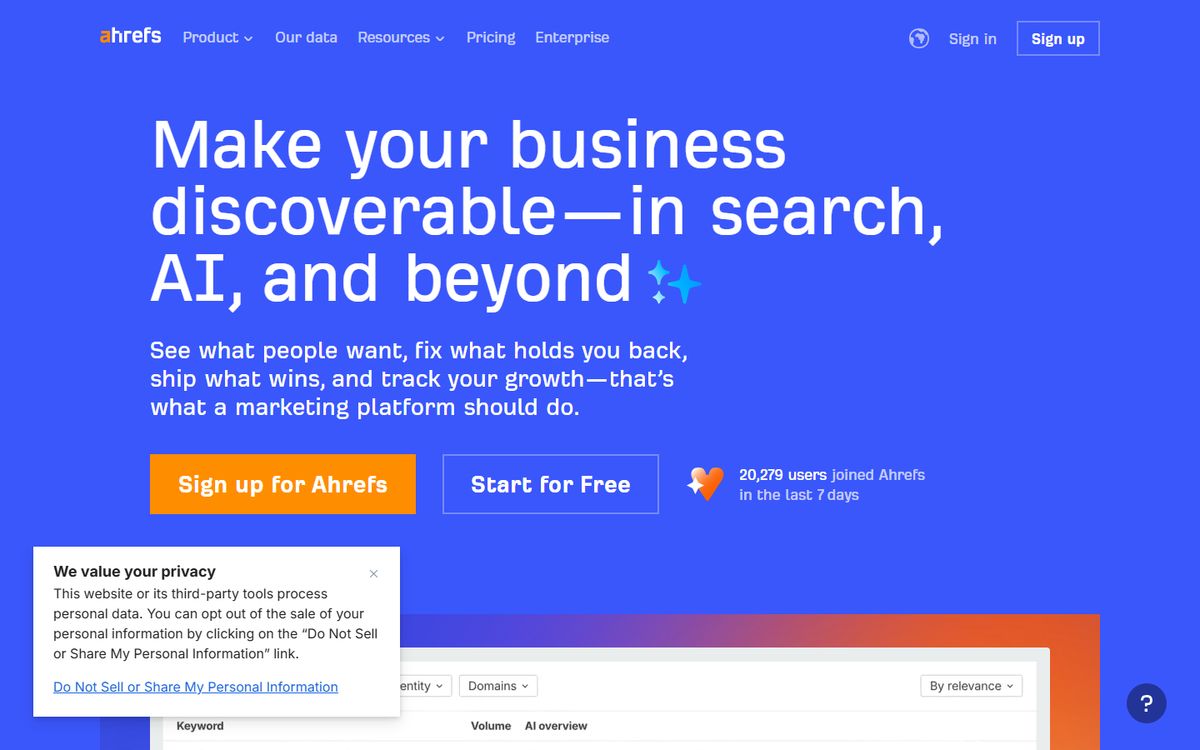
Ahrefs' content strategy is built on a simple insight: the people who most need an SEO tool are people who are actively learning SEO. By creating the best SEO education content on the internet, Ahrefs puts their product in front of their ideal customer at exactly the moment they're ready for it.
The strategy: Be the most credible, most educational voice in SEO. Use original data and research to establish authority that competitors can't replicate. Teach people how to do SEO using Ahrefs.
Key decisions:
- Every blog post is evaluated against a "business potential" score (does ranking for this keyword bring in Ahrefs customers, not just visitors). High traffic without business potential doesn't make the cut.
- The YouTube channel (1M+ subscribers) is treated as a second content brand -- educational, personality-driven, algorithm-friendly.
- "The Ahrefs Blog" is styled as a peer resource from SEO practitioners, not a brand publishing hub. The voice and tone signal expertise, not marketing.
What makes it remarkable: Ahrefs' content strategy has a built-in moat -- the data they can share (backlink indexes, keyword volumes, SERP analyses) is only available because their product processes billions of data points. Competitors can write about SEO; they can't publish Ahrefs-scale data.
The strategic lesson: Find the intersection of what you know from your product (your data moat) and what your customers need to know. Build there.
Averi automates this entire workflow
From strategy to drafting to publishing — stop doing it manually.
3. Buffer -- Radical Transparency as Content Strategy
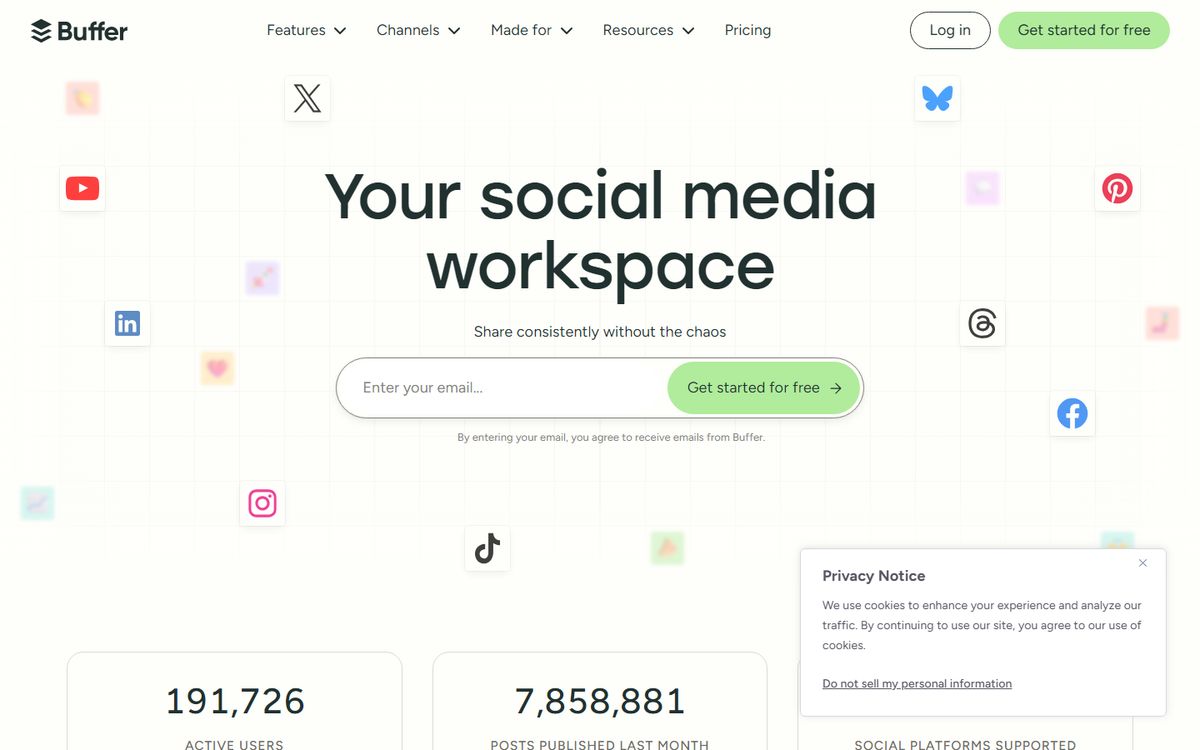
Buffer took an unusual content bet: share everything. Salaries, equity structure, revenue numbers, hiring processes, cultural failures -- Buffer's "Open Blog" shared internal company information that most companies would never make public.
The strategy: Build trust and brand authority through radical transparency. Attract values-aligned customers and employees. Win media coverage for being different.
Key decisions:
- Published the full salary formula for every Buffer employee (including the CEO) on the blog. This drove hundreds of thousands of readers and built enormous goodwill.
- Shared revenue dashboards publicly (buffer.open.metrics.io) -- a first for a venture-backed startup.
- Published a series on failures and mistakes, not just successes. This counterintuitive approach built more trust than a highlight reel ever would.
What makes it remarkable: Buffer's transparency strategy created a self-reinforcing cycle. Their openness attracted journalists and writers who wouldn't otherwise cover a small social media tool. That coverage attracted customers who valued the culture. That culture attracted talented team members who became content contributors. The content strategy and the company culture were the same thing.
The strategic lesson: Content strategy and brand strategy are not separate. Your content should express what your company actually is, not a polished version of it.
4. Intercom -- Long-Form Thought Leadership
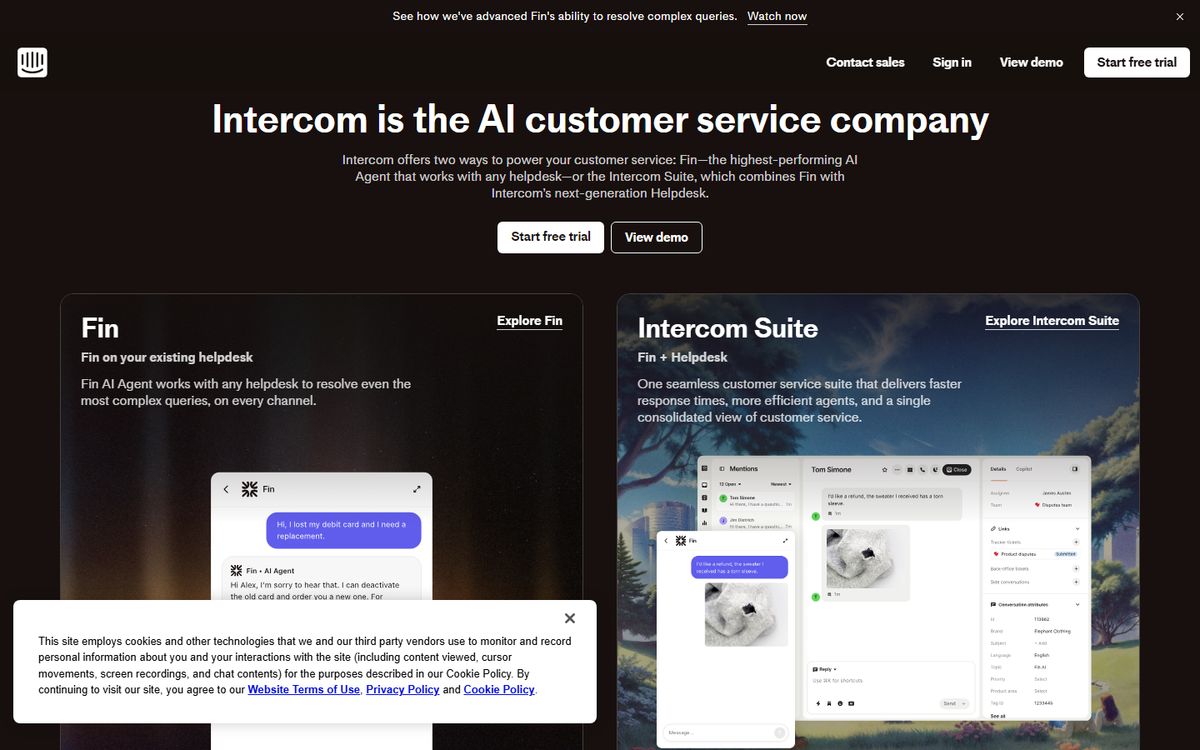
Intercom's content bet was long-form thought leadership at a time when "content marketing" meant 500-word blog posts and infographics. Their "Intercom on Product Management," "Intercom on Marketing," and "Intercom on Customer Support" books were sold on Amazon and read by thousands of practitioners -- creating a level of credibility that most SaaS blogs never approach.
The strategy: Build deep expertise content that establishes Intercom as the leading thinker in customer communication, not just a vendor of messaging tools.
Key decisions:
- Published full books, not ebooks. Real books distributed through real channels (Amazon, Apple Books) signal permanent value, not gated assets.
- Invested in the "Inside Intercom" podcast, building a listenable library of business and product content with top-tier guests.
- Created a dedicated "Series" format for deep multi-part content that could be distributed as a book series -- differentiating from listicle content.
What makes it remarkable: Intercom's content positions them in the company of business books, not vendor blog posts. When a product manager reads "Intercom on Product Management," they're not reading a marketing document -- they're reading professional development material that Intercom happens to have created.
The strategic lesson: Consider what format your content takes. A book signals more authority than a blog post. A course signals more authority than a blog post. The format is part of the positioning.
5. Notion -- Templates as the Growth Engine
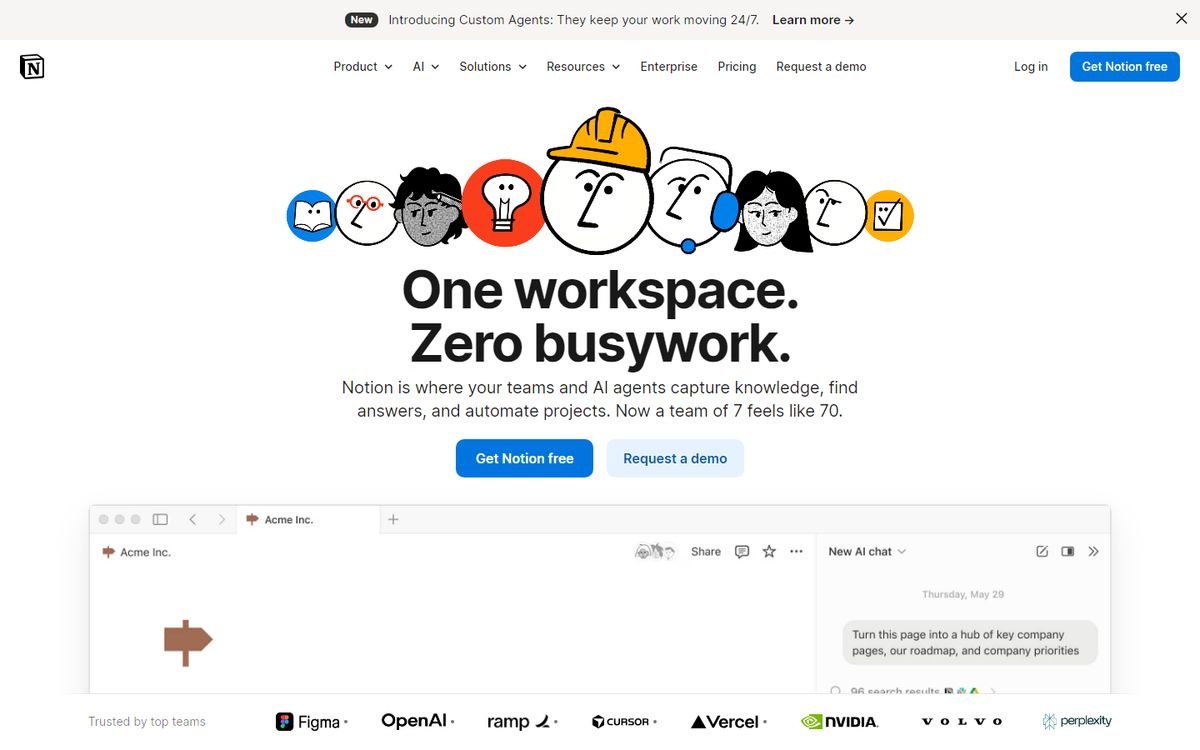
Notion's content strategy is built around a specific insight: the barrier to Notion adoption isn't awareness, it's activation. People try Notion, face a blank page, and give up. Templates solve this. Templates became both a product feature and a content strategy.
The strategy: Create templates for every imaginable use case. Have community members create and share templates. Build SEO content around template-specific queries. Make Notion feel immediately useful to anyone who tries it.
Key decisions:
- Built the Notion Template Gallery as a community-driven content platform. Third-party creators publish thousands of templates, each driving search traffic to Notion.
- Invested in YouTube tutorial content showing how to build with Notion -- not just marketing videos, but genuinely educational how-to content.
- Created persona-specific content hubs (Notion for Students, Notion for Product Managers, Notion for Remote Teams) with curated templates and guides.
What makes it remarkable: Notion turned user-generated content into their primary acquisition strategy. The Template Gallery has millions of pages of content that Notion didn't pay to create but owns the distribution platform for. Every template page is SEO content and a direct path to product adoption.
The strategic lesson: The best content strategy may not involve creating most of your content. Build infrastructure for others to create content around your product.
Build your content engine with Averi
AI-powered strategy, drafting, and publishing in one workflow.
6. Drift -- Category Creation Through Content
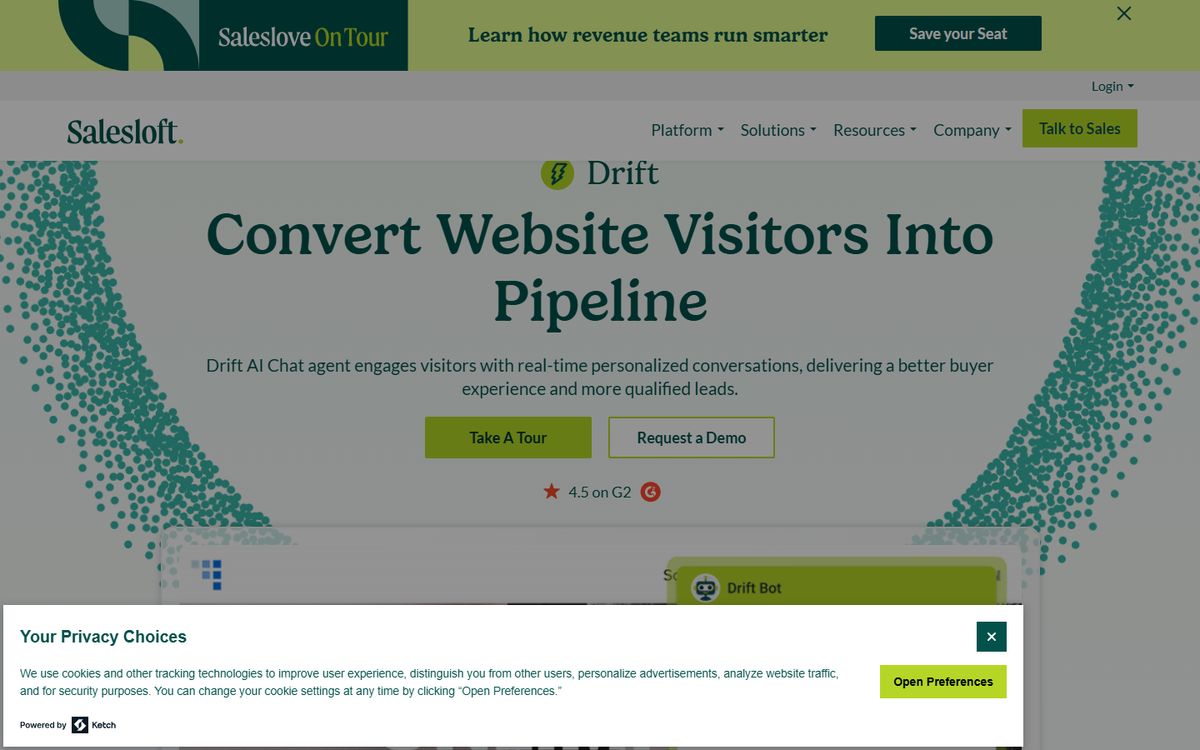
Drift coined "conversational marketing" and built their entire content strategy around owning that phrase. Every blog post, podcast episode, and event was themed around conversational marketing -- defining, expanding, and evangelizing the category.
The strategy: Create a new category ("conversational marketing"), define it through content, and build enough thought leadership that the category becomes synonymous with the product.
Key decisions:
- Published "Conversational Marketing" as a book (co-authored with David Cancel and Dave Gerhardt) that made the Amazon marketing bestseller list.
- Built the "Seeking Wisdom" podcast around philosophical and business thinking -- personality-driven, not product-driven -- to build a following that preceded and outlasted any marketing campaign.
- Created the HYPERGROWTH conference to own a physical event space in the conversational marketing category.
What makes it remarkable: Drift's content strategy created a world in which their product was the obvious solution. By defining "conversational marketing" and building enough content authority around it, they ensured that anyone researching the category landed on Drift-created content.
The strategic lesson: The most powerful content strategy isn't about ranking for your competitor's keywords -- it's about creating the category vocabulary before your competitors do.
7. Shopify -- The Entrepreneur Education Empire

Shopify's content strategy isn't about Shopify features -- it's about entrepreneurship. Their blog, podcast (Masters), and educational hub cover every aspect of starting and growing an online business. Shopify attracts entrepreneurs at the idea stage, long before they need a payments platform.
The strategy: Be the best resource for aspiring and growing entrepreneurs. Meet them at the beginning of their journey. Build trust over years. When they're ready to launch a store, they use Shopify.
Key decisions:
- Shopify Academy and Shopify Learn provide free courses on business skills that have nothing to do with Shopify -- marketing, logistics, finance. This builds genuine authority in the entrepreneur space.
- The Shopify Masters podcast features successful Shopify merchants sharing their stories -- user-generated credibility that serves as social proof and content simultaneously.
- Shopify's blog covers "how to start a [X] business" for hundreds of business types, each page driving organic traffic from people at the beginning of the entrepreneurial journey.
What makes it remarkable: Shopify doesn't wait for customers to find them when they're ready to build a store. They find customers when they're just beginning to think about entrepreneurship -- years before a purchase decision -- and build the relationship from there.
The strategic lesson: The widest part of the marketing funnel often represents your biggest content opportunity. Build content for people who don't know they need you yet.
8. Gong -- Revenue Intelligence Content Leadership
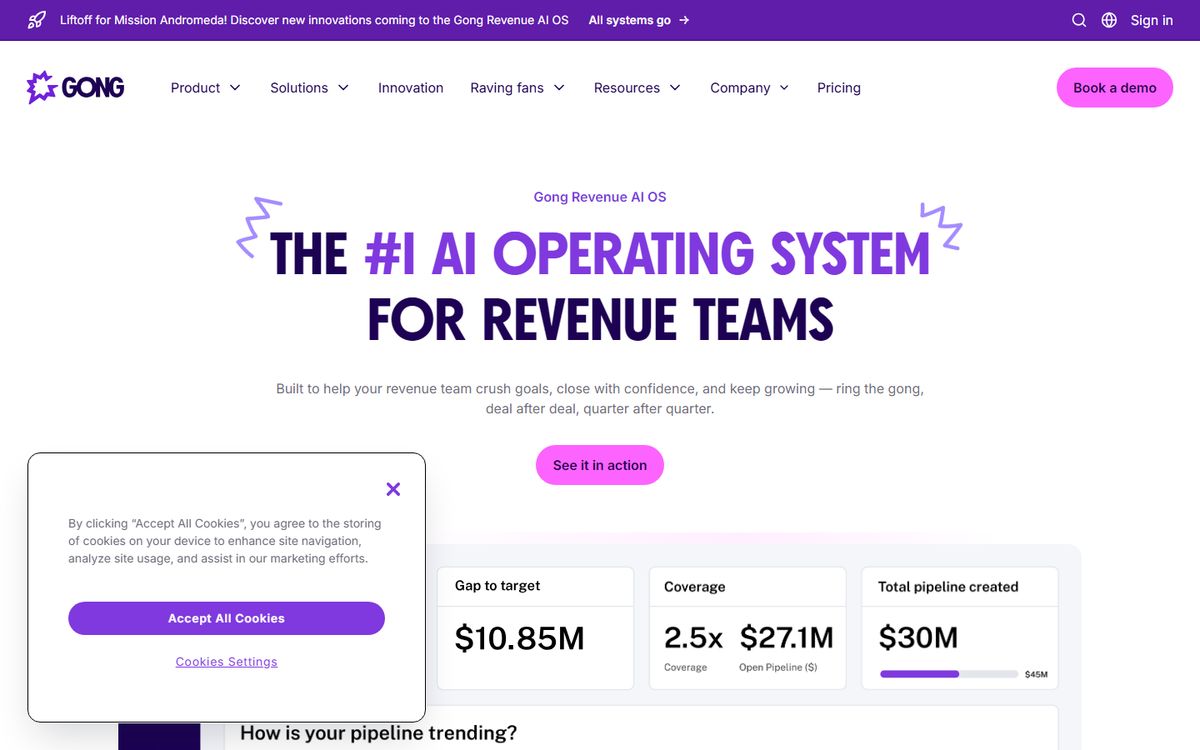
Gong built their content strategy around a proprietary data asset: recordings and analyses of millions of sales calls. This data gave them unique insights into what separates top-performing salespeople from average ones -- insights no other company could provide.
The strategy: Publish data-driven insights from Gong's sales call analysis that sales leaders and reps can't get anywhere else. Become the most credible source of information about what actually works in sales.
Key decisions:
- Published "reality-based selling" research reports with specific statistics ("Sales reps who ask 4-6 questions per call close at 2x the rate of those who ask fewer") that became widely cited and shared.
- Built the "Gong Labs" content brand -- a distinct publication identity for research content that signals scientific rigor separate from brand marketing.
- Created content specifically for VP Sales personas -- a more senior, more skeptical audience that responds to data, not inspiration.
What makes it remarkable: Gong's content strategy has an unassailable moat. Their research content is only possible because their product records and analyzes sales calls. A competitor can copy their format but can't replicate their dataset. The content strategy and the product are symbiotic.
The strategic lesson: Look at what your product knows that no one else knows. That data is your content strategy's foundation.
Ready to put this into practice?
Averi turns these strategies into an automated content workflow.
9. Loom -- Product-Led Growth Through Content
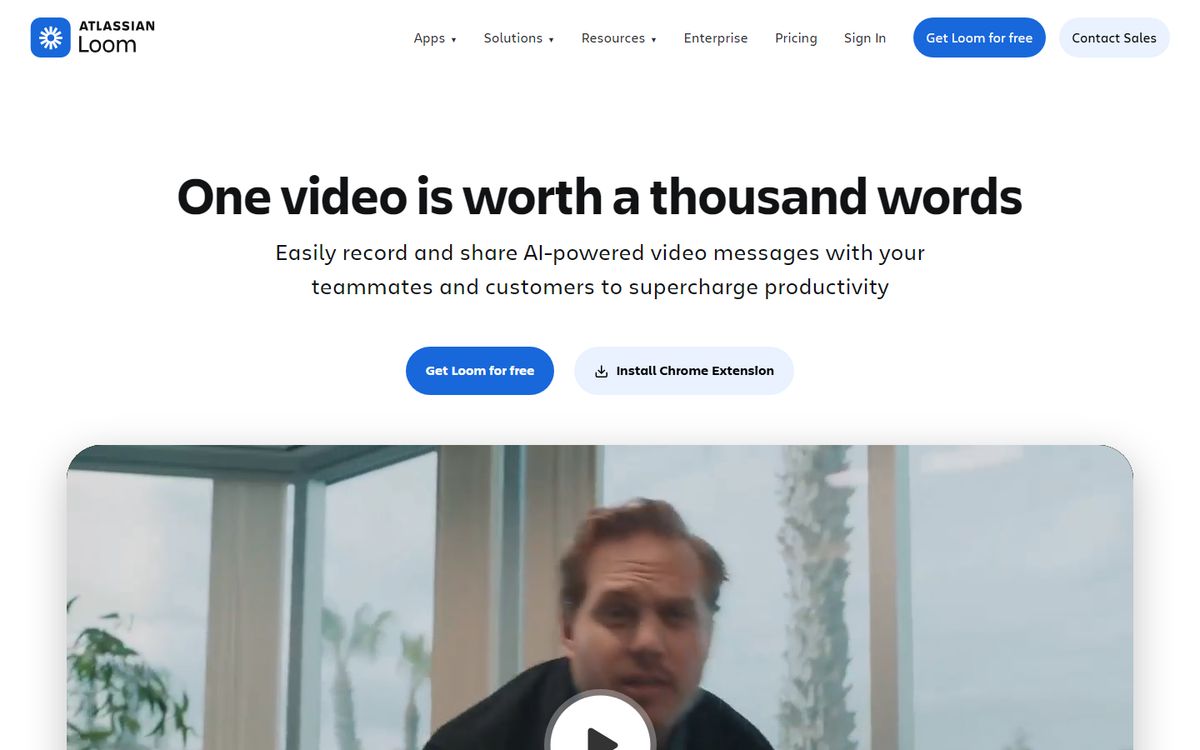
Loom's content strategy is inseparable from their product-led growth strategy. Every piece of content is either made with Loom or teaches you how to use async video more effectively -- and since async video = Loom for most users, the product and the content are one.
The strategy: Evangelize async video communication as a work style. Create content that teaches people to work asynchronously better. Make Loom the obvious tool for this way of working.
Key decisions:
- Invested heavily in content about remote and async work -- topics that became massive during the pandemic and remain relevant for distributed teams.
- Created a "Loom Creator" content program -- paying creators to produce educational content about async communication using Loom, expanding content production without expanding the content team.
- Published research on meeting culture ("The State of Video Messaging") that quantified the cost of synchronous meetings and positioned async video as the solution.
What makes it remarkable: Loom's content strategy benefited from extraordinary timing -- the pandemic created a massive audience for remote work content. But their pre-pandemic investment in async communication content meant they were positioned to capture that wave when it came.
The strategic lesson: Build content authority in adjacent trends before they peak. The companies that led during the remote work shift started their content investment two years before the pandemic.
10. Canva -- Democratizing Design Education
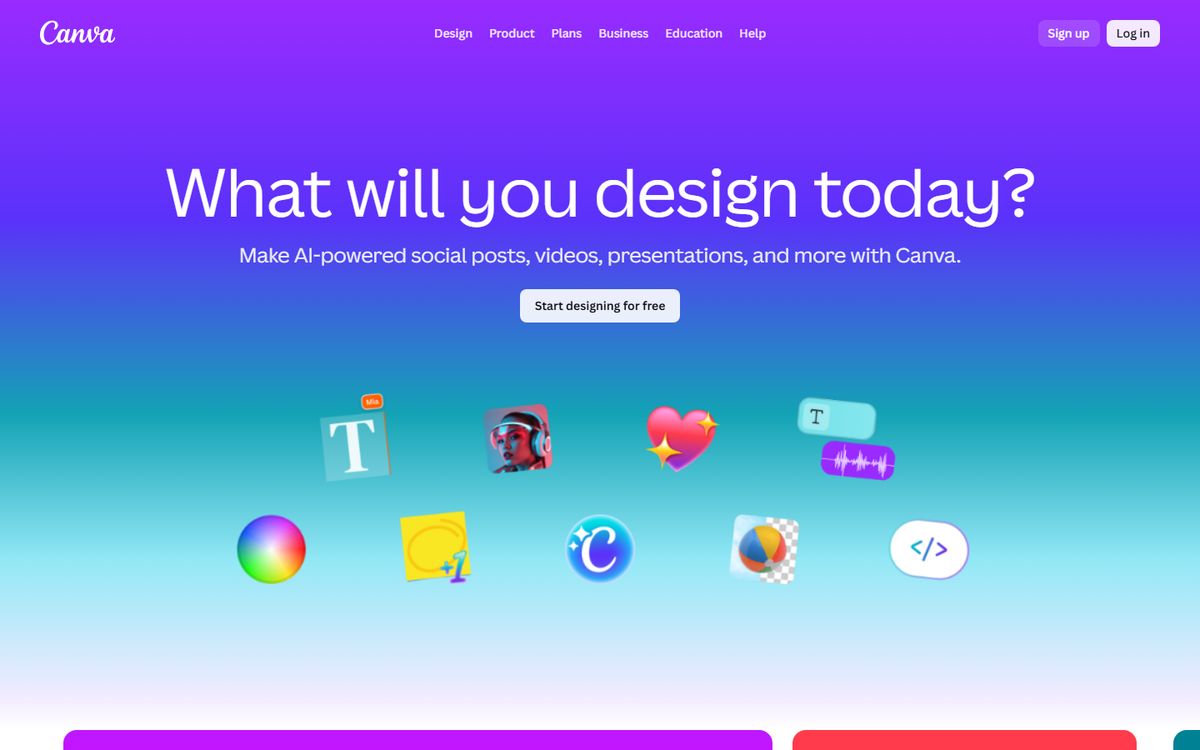
Canva's content strategy is built around design education for non-designers. By teaching people the principles of good design -- color theory, typography, composition -- Canva builds capability in their user base while positioning themselves as the tool that makes these skills accessible.
The strategy: Teach design to people who don't consider themselves designers. Build a community of design-capable marketers, entrepreneurs, and communicators. Become indispensable to them.
Key decisions:
- Created design tutorials at a beginner level that professionals would find too basic -- deliberately targeting the non-designer who is Canva's ICP.
- Built a massive template library as searchable content -- every template page is an SEO asset targeting "[type] design template" queries.
- Launched "Design School" as a structured learning program with courses, tutorials, and challenges that convert casual users into skilled Canva power users.
What makes it remarkable: Canva's content strategy makes their users better at their jobs, not just better at using Canva. Users who improve their design skills through Canva resources become evangelical advocates -- they associate their professional growth with the platform.
The strategic lesson: Content that makes your users better at their jobs creates loyalty that no feature update can match.
Cross-Cutting Lessons from These 10 Strategies
The best content strategies own a conversation, not a keyword list. HubSpot owns "inbound marketing." Drift owns "conversational marketing." Gong owns "data-driven sales." They didn't get there by targeting keywords -- they got there by establishing a point of view and publishing from it consistently.
Proprietary data is the content moat that can't be copied. Ahrefs' SEO data, Gong's sales call data, Mailchimp's email benchmark data -- all moats built because the product generates unique information. Find your data moat early.
Content strategy and product strategy should be the same strategy. Notion's template strategy is product strategy. Loom's async video content is product positioning. The best examples here don't have a "content team" creating content separate from the product -- the content expresses the product philosophy.
Further Reading
Frequently Asked Questions
How do early-stage startups build a content strategy without resources?
Pick one channel, one format, one ICP. A startup with one content creator should focus entirely on one long-form post per week that goes deep on the problems their ICP faces. Breadth comes later. Depth comes first.
When should a startup hire a dedicated content person?
When you've validated that organic content can drive pipeline -- usually when you're getting 1,000+ monthly visitors from content and can trace at least some trials or demos to content attribution. Before that, the founder or a generalist should own content.
How long does content strategy take to show results?
Honest answer: 6-12 months for early organic traction, 18-24 months for meaningful compounding. Content marketing is a long-term bet. Startups that abandon it after 3 months never see the results. Startups that stick with it for 2 years rarely abandon it because the flywheel is undeniable.
How do you measure the ROI of a content strategy?
Layer your metrics: first-touch attribution (which pages did buyers first land on?), assisted attribution (which pages did buyers visit before converting?), and pipeline influence (which content touches appeared in your closed deals?). A CRM like HubSpot or Salesforce with UTM tracking makes this tractable.
Should every startup copy the HubSpot model?
No. HubSpot's model -- dominate every keyword in the marketing space -- requires significant resources and a broad ICP. Early-stage startups are better served by a "micro-authority" strategy: own one very specific conversation completely. Be the definitive resource for your niche before trying to expand.
Explore More
- 📋 Template: Content Strategy Template for Startups
- 📋 Template: Go-to-Market Strategy Template for Startups
- 👤 Guide: Content Marketing for AI Startups
- 👤 Guide: Content Marketing for Bootstrapped Startups
- 🏢 Industry: Content Marketing for Biotech Startups: The Complete 2026 Guide
- 🏢 Industry: Content Marketing for Cleantech Startups: The Complete 2026 Guide
- 📖 Guide: How to Build a Content Strategy from Scratch
- 📖 Guide: How to Do Keyword Research for Startups
Related from our blog
How to Build an AI Content Engine That Grows Your Startup →
Build a system that turns strategy into published content.
The 2026 Startup Content Playbook →
Budget-specific content strategies for every stage.
Content Marketing ROI: Real Numbers from Real Founders →
Actual ROI data from startups investing in content.
From the Averi Blog
Start Your AI Content Engine
Ready to put this into practice? Averi automates the hard parts of content marketing — so you can focus on strategy. Join 1,000+ teams already using Averi.
Related Resources

Content Strategy Template for Startups
Download our proven content strategy template built for startups. Includes goals, audience mapping, channel strategy, content calendar, and KPIs. Used by 750+ teams.

Content Marketing for Startup Founders
You're building a product AND need marketing. This guide shows startup founders how to build a content engine that runs without constant attention.

Best SaaS Blog Post Examples (With Analysis)
Study 15 exceptional SaaS blog posts and learn what makes them rank, convert, and engage. Includes structure analysis, SEO breakdown, and takeaways you can steal.

Content Strategy for Startups: From Zero to 10K Monthly Readers
Build a content strategy that drives compounding organic growth from day one. The startup content playbook used by 500+ early-stage teams.

Content Marketing on a Budget: Do More with Less
You don't need a big content budget to win. Learn how bootstrapped and early-stage teams use Averi to punch above their weight in content marketing.

Startup Blog Strategy: Build an Audience from Zero
Your startup blog can become a compounding growth channel. Learn the exact strategy, cadence, and content mix that builds long-term organic traffic.